Muscle inflammation is the body’s natural response to exercise, especially after intense or unfamiliar workouts. Although it can be uncomfortable, it is a sign that your muscles are adapting and becoming stronger. However, learning how to manage inflammation properly is crucial to prevent it from negatively affecting sports performance and recovery.
In this article, we explore which anti-inflammatory option may be best for your case, the causes of muscle inflammation, when it is normal and when it should be a concern, and how to use natural anti-inflammatory products to keep your body in balance.
Why do muscles become inflamed after exercise?
After a demanding workout, it is common to feel your muscles more sensitive, heavy or even sore. This sensation is no coincidence: it is the result of a completely natural internal process through which the body adapts to effort and prepares to perform better next time.
During exercise, especially strength or high-intensity activities, small micro-tears occur in the muscle fibers. Although this may sound concerning, this damage is controlled and is part of the stimulus needed for the muscle to become stronger. In response, the body activates the immune system and starts a repair process associated with a certain degree of inflammation.
At the same time, physical effort increases the production of free radicals, generating what is known as oxidative stress. This phenomenon also contributes to muscle inflammation and can influence the feeling of fatigue or recovery time if not properly controlled. This is why many athletes look for the best muscle anti-inflammatory to help them get back to action without constantly relying on synthetic drugs.
In addition, there is an increase in blood flow to the worked area and the release of different inflammatory substances, responsible for the feeling of swelling or stiffness that appears hours after training.
Overall, muscle inflammation is simply a sign that the body is working to repair and adapt. However, when it is excessive or lasts too long, it can affect performance and delay recovery, so learning how to manage it properly is key for any active person.
Muscle inflammation: when it is normal and when you should take action
Muscle inflammation after exercise should not always be interpreted as something negative. In fact, in most cases it is a normal response of the body to physical effort. However, it is important to know how to distinguish when it is part of the natural recovery process and when it may be a sign that something is not right.
After a workout, especially if it has been intense or unusual, it is normal to experience mild muscle discomfort, stiffness or the well-known delayed-onset muscle soreness. This type of inflammation usually appears between 24 and 48 hours after exercise and gradually disappears within a few days. It is part of the muscle adaptation process and, when well managed, contributes to improving long-term performance.
The problem appears when inflammation is no longer temporary and becomes more intense or persistent. Very sharp pain that limits movement, appears immediately during exercise or lasts for several days without improving may indicate overload, a muscle injury or insufficient recovery. In these cases, the body is not adapting, but accumulating damage.
It is also important to pay attention to other signs such as constant fatigue, a prolonged feeling of muscle heaviness or decreased performance, as these may indicate inflammation that is being maintained over time. This type of inflammation, unlike acute inflammation, can make recovery more difficult and increase the risk of injury.
Listening to your body is key to deciding whether you need a specific muscle anti-inflammatory or simply more rest. Understanding when inflammation is part of progress and when it is a warning sign allows you to adjust your training, improve recovery and avoid bigger problems in the medium and long term.
Benefits of controlling inflammation to improve your performance
Controlling muscle inflammation does not mean eliminating it completely, but rather keeping it at appropriate levels to support recovery without compromising performance. When this balance is achieved, the benefits are clear:
- Faster recovery between workouts: The muscle repairs itself more efficiently, allowing you to train sooner and with better sensations.
- Less muscle fatigue: Reducing excessive inflammation helps prevent accumulated tiredness and improves performance in each session.
- Reduced pain and discomfort: Less inflammation translates into greater comfort in everyday life and during training.
- Injury prevention: A muscle that recovers well is better prepared to withstand new loads, reducing the risk of overload or tears.
- Better adaptation to training: It allows the body to better assimilate effort and progress more efficiently in the long term.
The best natural anti-inflammatories for muscles
Although there are medications to reduce muscle inflammation, many people prefer to choose natural alternatives that help soothe inflammation without the side effects of drugs.
If you are wondering which is the most powerful anti-inflammatory nature has to offer, here is a selection of the best and most effective natural anti-inflammatories to soothe pain without side effects:
1. Omega-3 (EPA and DHA)
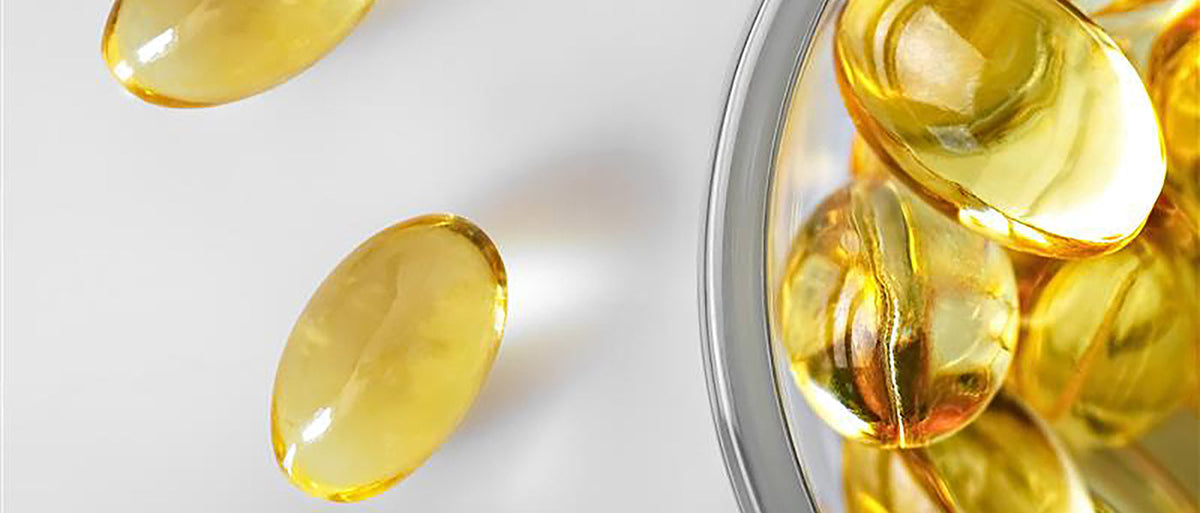
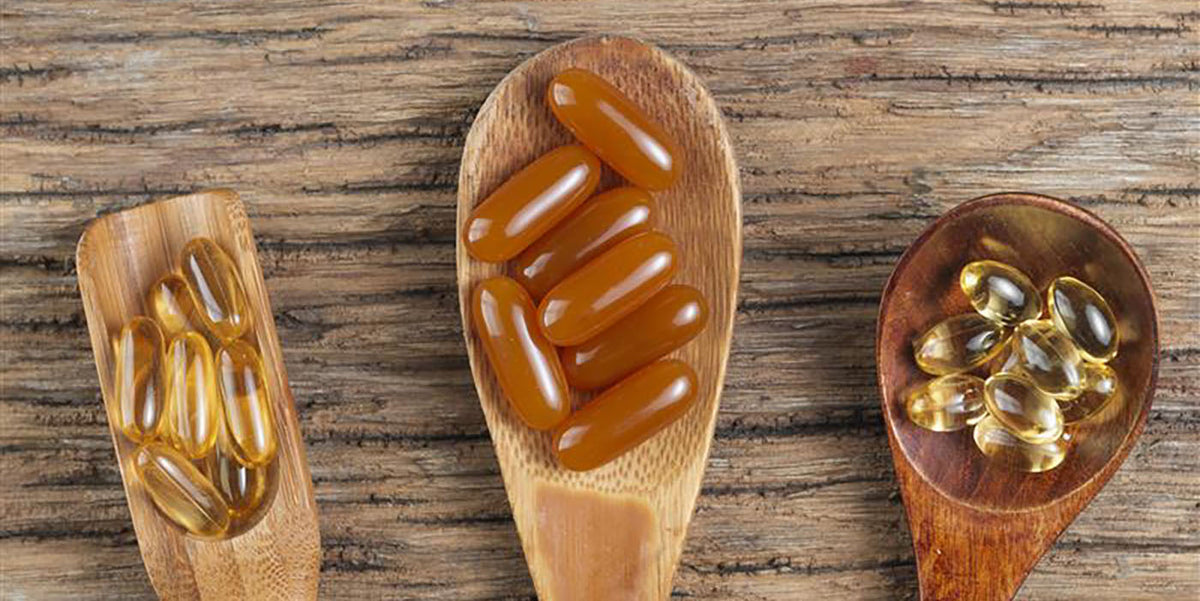
Omega-3 fatty acids are known for their powerful anti-inflammatory properties. They help reduce muscle inflammation after intense exercise, supporting faster recovery. EPA and DHA, in particular, are the most effective types of Omega-3 for fighting inflammation and improving muscle health. They can be found in fish oil or krill oil supplements.

2. Turmeric (Curcumin)
Curcumin, the active compound in turmeric, is considered by many to be the best natural muscle anti-inflammatory. Its ability to block inflammatory molecules in the body makes it an excellent ally for muscle recovery. It also has antioxidant properties that protect muscles from oxidative stress damage.
3. Ginger
Ginger has anti-inflammatory and antioxidant properties that help relieve muscle inflammation. It is especially useful for people who experience chronic pain or muscle stiffness after exercise. It can be consumed as tea, as a supplement or even in powder form, and is a natural and effective option. It is an excellent alternative for those who prefer to avoid strong anti-inflammatory drugs of chemical origin.
4. Magnesium
Magnesium plays a key role in muscle function and reducing inflammation. It acts as a natural muscle relaxant, helping to reduce cramps and tension. Getting enough magnesium, especially after training, can speed up recovery and reduce muscle inflammation.

5. Antioxidants (Vitamins C and E)
Vitamins C and E are antioxidants that help combat oxidative damage caused by intense exercise. By reducing oxidative stress, these vitamins help decrease inflammation and promote cellular recovery. You can find them in fruits such as oranges, strawberries and kiwis, or in specific supplements.
6. Extra virgin olive oil
Extra virgin olive oil contains anti-inflammatory compounds such as polyphenols, which help reduce muscle inflammation. It is ideal to include in your daily diet, both in salads and cooked dishes, supporting not only muscle health but also overall health.
These natural anti-inflammatories not only help reduce muscle inflammation, but also offer general health benefits. Including them in your daily routine can optimize your muscle recovery and improve your physical performance.
Other key habits to reduce muscle inflammation
In addition to including natural anti-inflammatory tablets or supplements in your diet, there are several habits and practices that can help reduce muscle inflammation and improve recovery. Here are some key recommendations to keep your muscles in their best shape:
1. Adequate rest
Rest is essential for muscle recovery. When you sleep, your body has the opportunity to repair itself, reduce inflammation and regenerate muscles. It is recommended to sleep between 7 and 9 hours each night, depending on your activity level and personal needs. Make sure you give your body the time it needs to recover between workouts.
2. Consistent hydration
Hydration plays a crucial role in muscle health and reducing inflammation. When you are well hydrated, your body can more efficiently eliminate waste products from exercise, such as lactate, which can contribute to inflammation. Try to drink water consistently throughout the day, especially before, during and after workouts.
3. Stretching and mobility
Gentle stretching and mobility exercises help improve blood circulation in the muscles and reduce stiffness. Including stretching routines before and after training can prevent the build-up of tension and reduce inflammation. Practices such as yoga or Pilates, which focus on flexibility and mobility, are also excellent for keeping muscles in good condition.
4. Use of cold and heat
Applying cold and heat strategically can be very effective in controlling muscle inflammation. Cold compresses during the first 24 hours after a workout can reduce swelling and relieve muscle pain. Later, heat — such as hot baths or saunas — can help relax muscles and improve blood circulation, speeding up recovery.
5. Anti-inflammatory diet
Adopting an anti-inflammatory diet rich in foods such as fruit, vegetables, nuts, oily fish and extra virgin olive oil can help keep inflammation under control. In addition, avoiding excessive consumption of processed foods, refined sugars and saturated fats is key to reducing chronic inflammation and optimizing recovery.
6. Massage and manual therapy
Sports massages or myofascial release therapy — such as using foam rollers — can relieve muscle tension and improve circulation. These treatments not only reduce muscle pain, but also help decrease inflammation by releasing muscle knots and improving mobility.
7. Proper supplementation
In addition to natural anti-inflammatories such as Omega-3, magnesium and curcumin, other supplements such as glutamine and collagen may be useful for reducing inflammation and improving muscle and joint health. It is always advisable to consult a healthcare professional before starting any type of supplementation.
Incorporating these habits into your daily routine can help you reduce muscle inflammation, improve your performance and speed up recovery. Remember that consistency is key: maintaining a balanced lifestyle with healthy habits will allow you to feel better and perform at your best during training.
In summary, muscle inflammation is a natural and even beneficial process when managed properly. Recognizing when it is part of adaptation to exercise and when it becomes an obstacle to performance is key for any active person.
In addition to natural anti-inflammatories such as Omega-3 and curcumin, incorporating habits such as adequate rest, hydration and recovery techniques such as the use of cold and heat can make a difference in the speed and quality of your recovery. With the right approach, you will be able to maximize your workouts, prevent injuries and maintain optimal long-term performance.