Protein

3 products

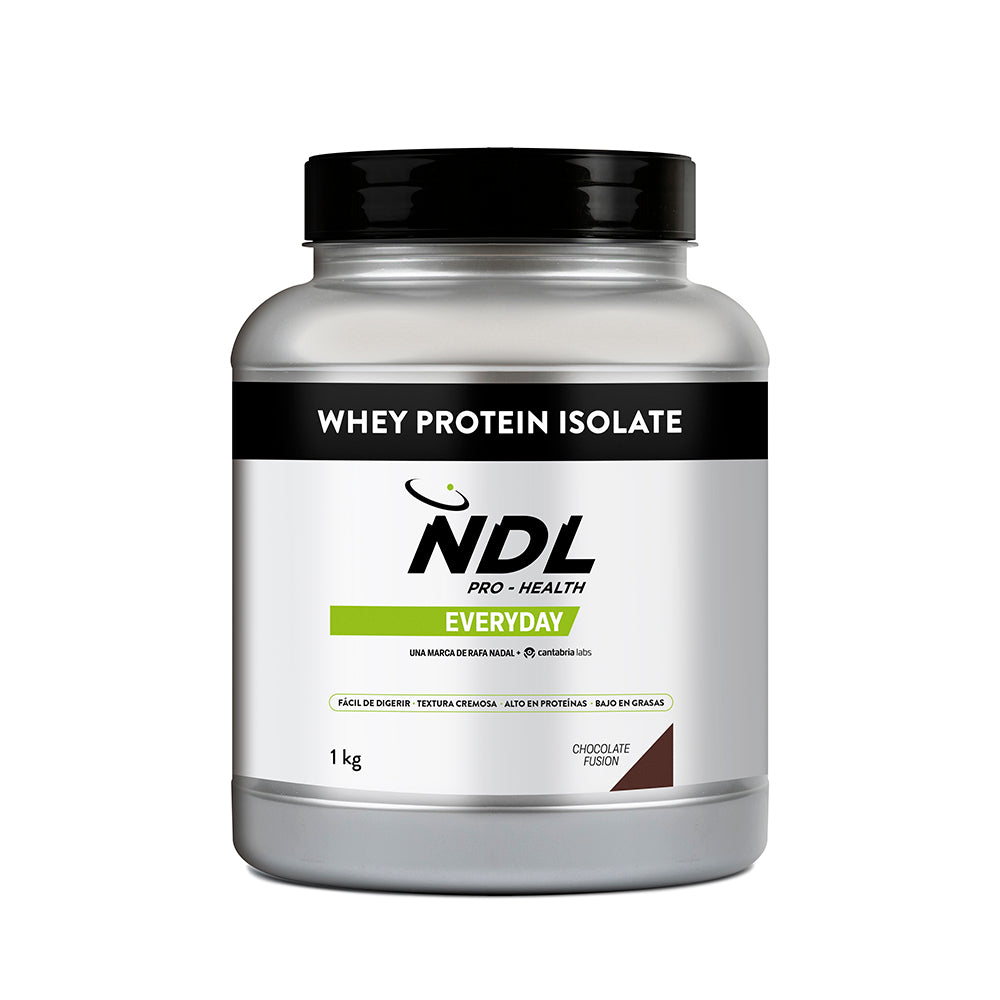
EVERYDAY
34,95€
Chocolate Fusion
(199)

Physical PerformanceLow fat
Sold Out
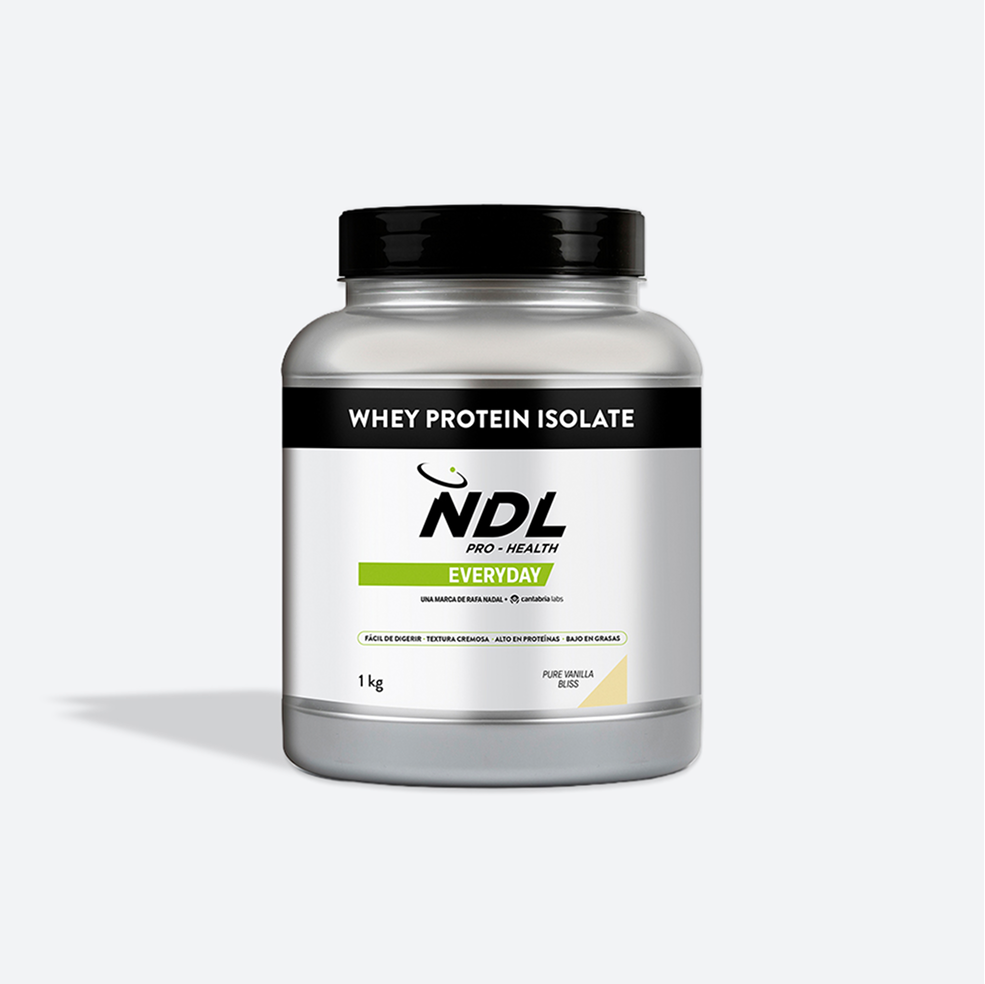
EVERYDAY
34,95€
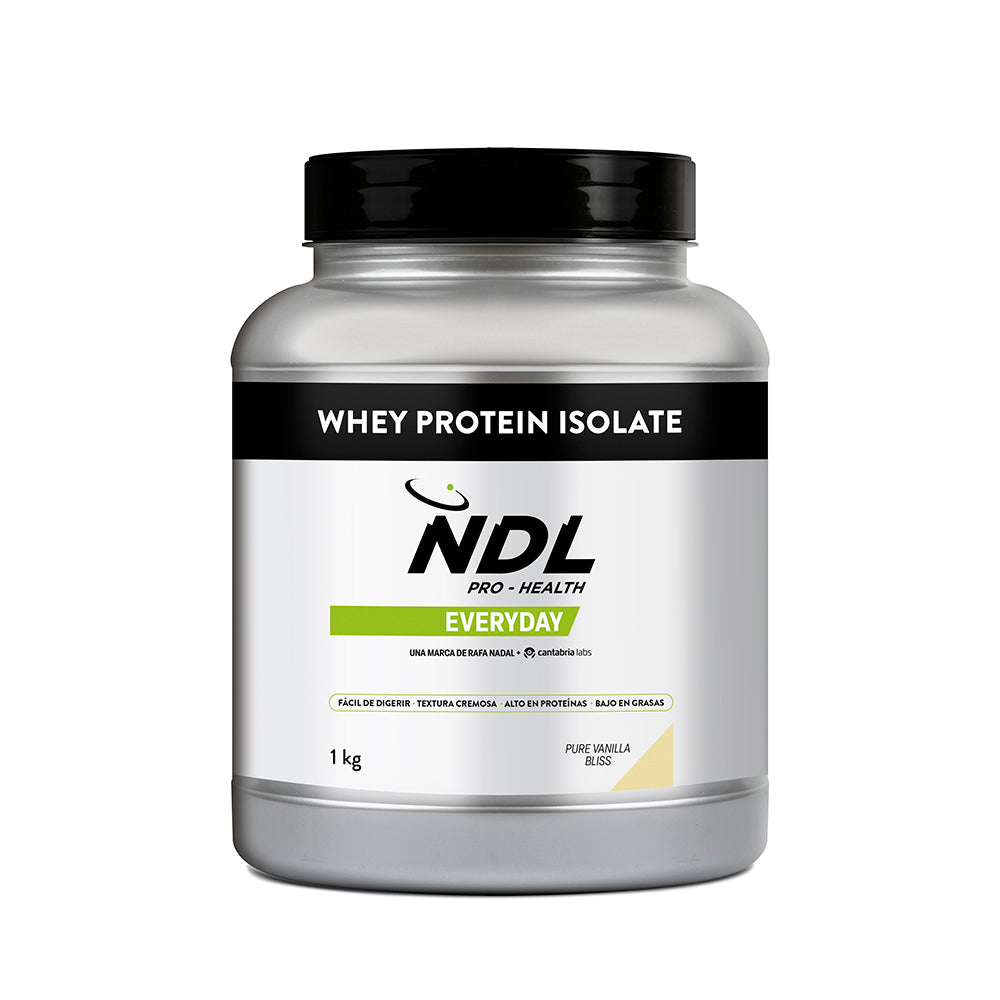
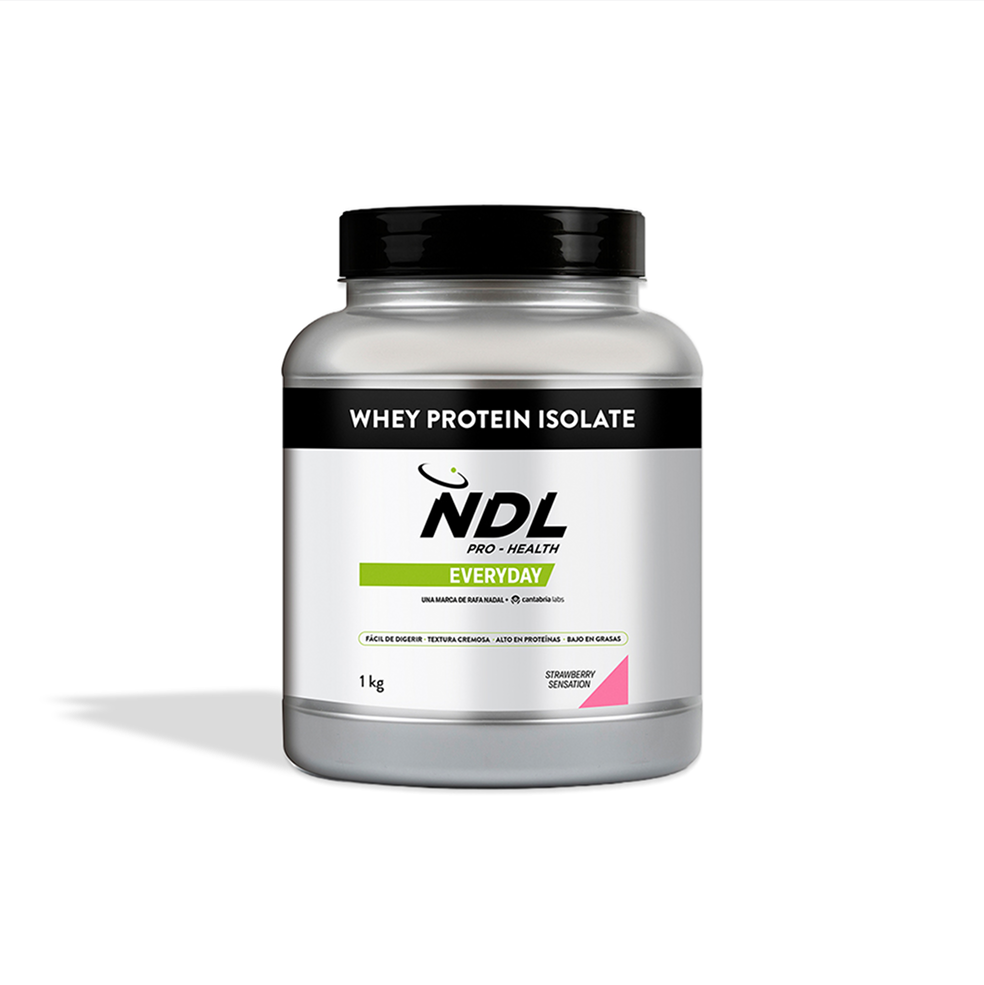
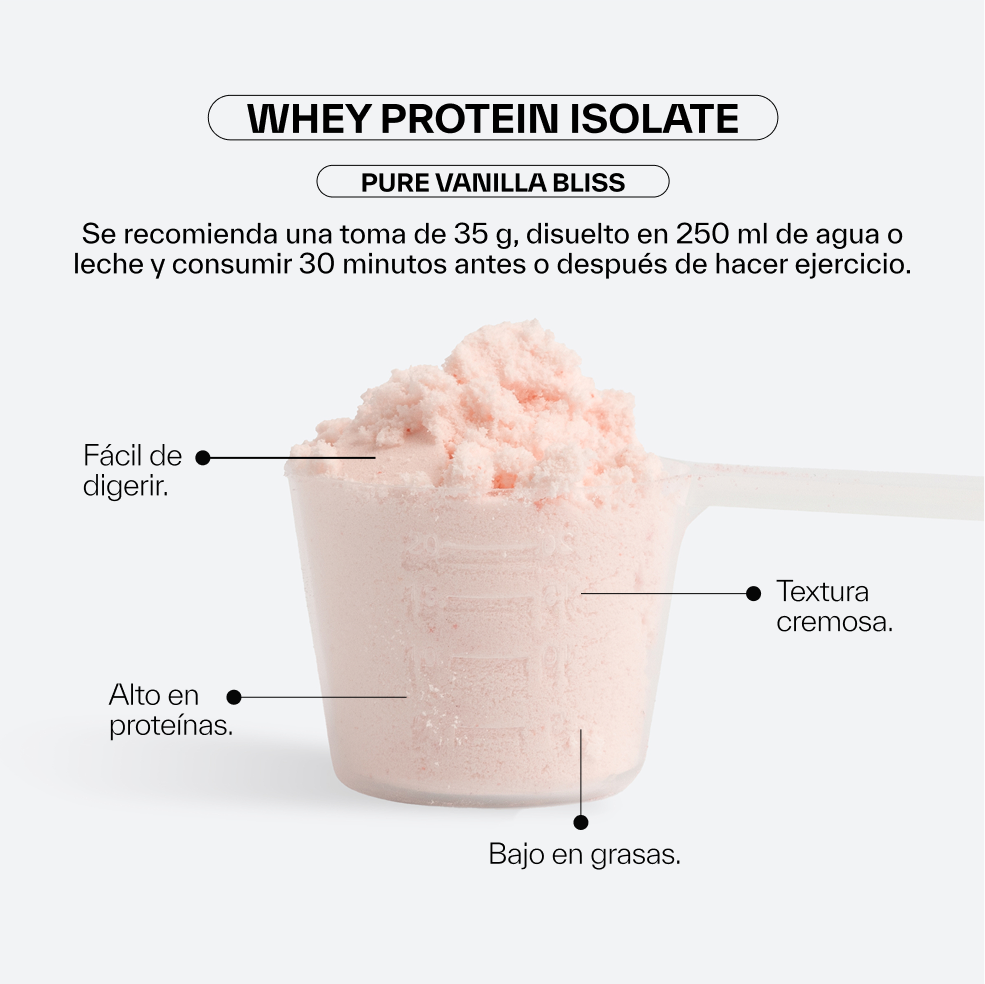
Vanilla Flavored Isolated Protein
(125)

Physical PerformanceLow fat
EVERYDAY
34,95€
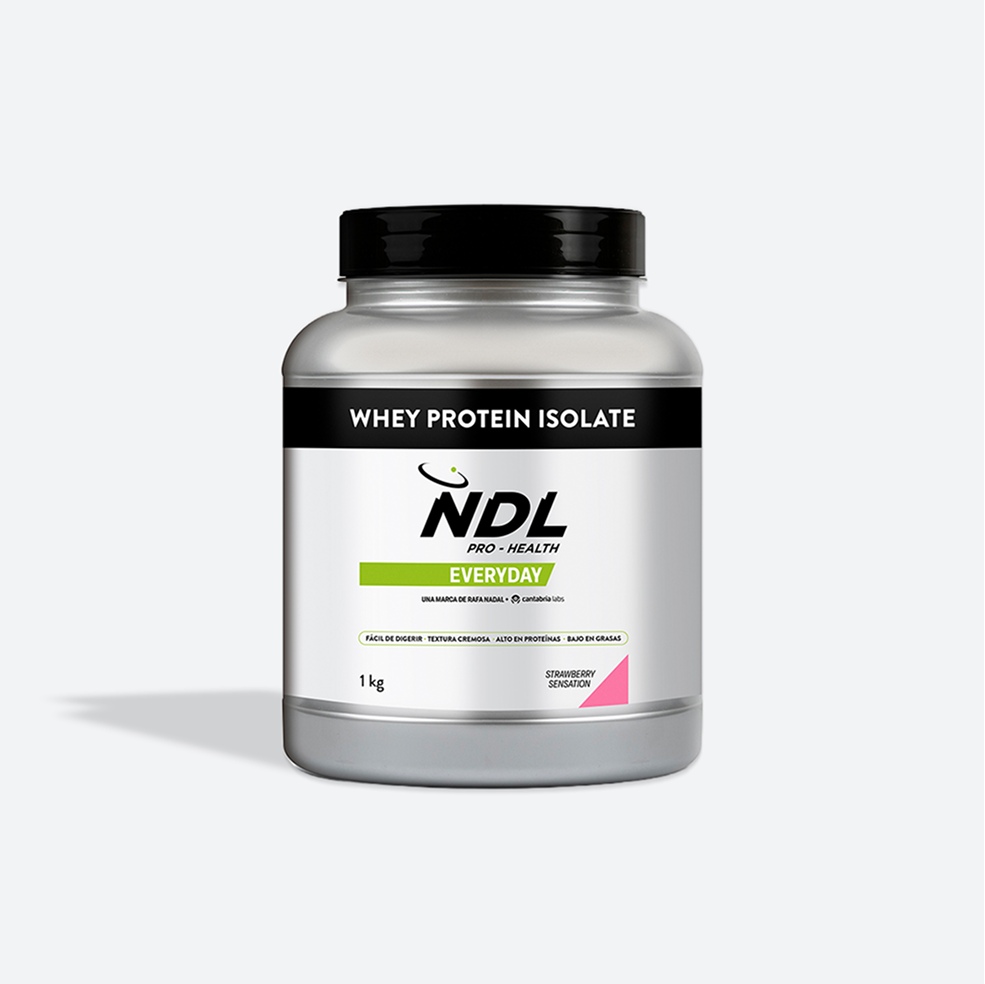
Strawberry flavored Isolated Protein
(58)

Physical PerformanceLow fat

Proteins

Protein is an essential macronutrient made up of amino acids, which are the basic building blocks of the body.

Our body needs dietary protein to provide the amino acids required for the growth and maintenance of our cells and tissues. After water, proteins are the most abundant molecules in the human body.

Playing a fundamental role in nutrition, proteins provide the essential amino acids needed for the repair and growth of body tissues, contributing to the production of vital enzymes and hormones and facilitating the transport and storage of various molecules.

In addition, by forming antibodies, proteins play a crucial role in strengthening the immune system and help maintain satiety and appetite control. An adequate protein intake supports metabolic balance and the body's vital functions, making protein essential for optimal health and overall well-being.

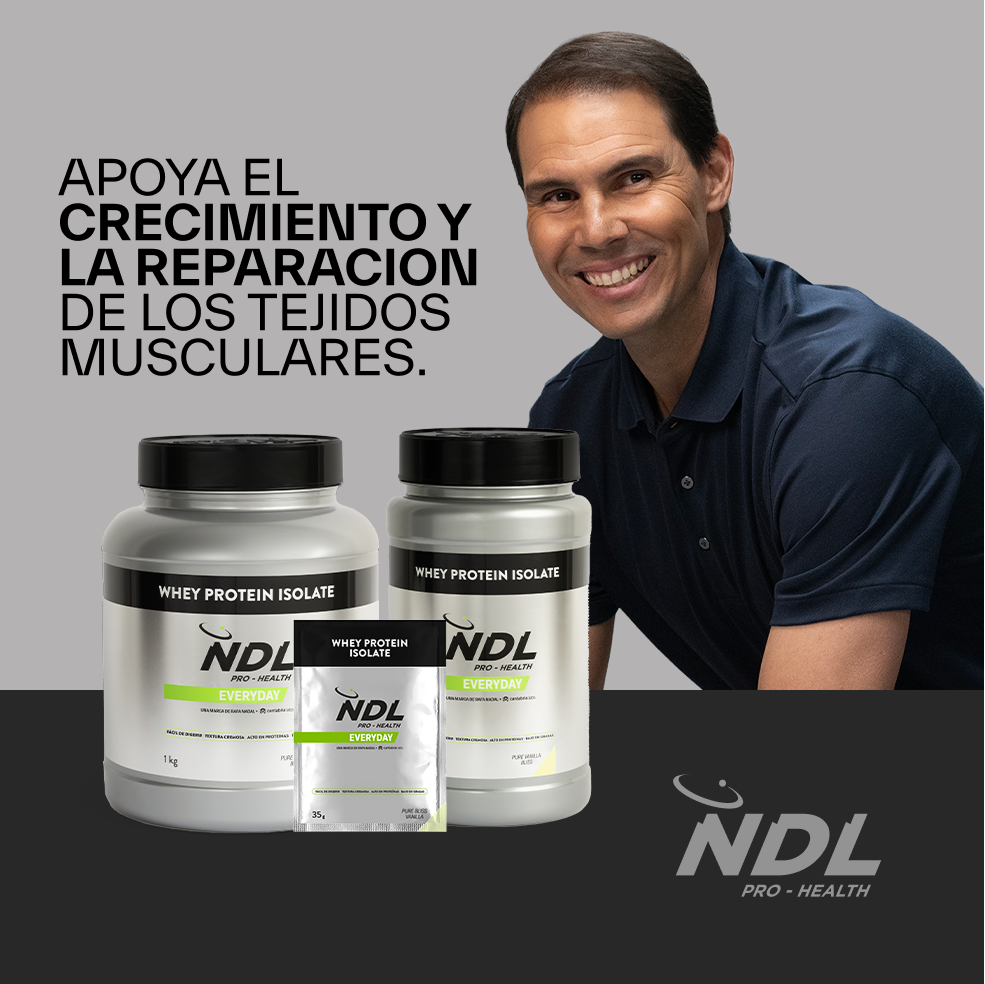
In the context of sports, adequate protein intake supports muscle repair and growth, accelerates post-exercise recovery and helps prevent injuries. Adequate intake improves strength and endurance, optimizes body composition by promoting muscle gain and fat reduction, while keeping metabolism active, which is essential for performance and recovery during intense physical activity.

The amount of protein required varies depending on factors such as age, sex, weight and level of physical activity. The European Food Safety Authority (EFSA) recommends that adults consume at least 0.83 g of protein per kg of body weight per day. (For example, 66 g for an adult weighing 80 kg). Athletes or people who engage in intensive training may require between 1.6 and 2.2 grams per kilogram of body weight.

Benefits of protein

If the appropriate daily amounts are consumed according to our individual needs, we can enjoy the following benefits of protein:

  • Muscle repair and growth: promotes the repair and growth of muscle tissue, which is especially important after exercise.
  • Cell maintenance and growth: it is essential for the formation and repair of cells and tissues in the body.
  • Production of enzymes and hormones: it is involved in the synthesis of enzymes and hormones that regulate many bodily functions.
  • Immune system support: strengthens the immune system by forming antibodies that fight infections.
  • Appetite control and weight management: provides a prolonged feeling of fullness, helping to control appetite and support weight management.
  • Active metabolism: increases calorie expenditure due to its thermic effect, contributing to a more active metabolism.
  • Nutrient transport: helps transport nutrients and other molecules throughout the body.
  • Maintenance of bone health: contributes to bone health by forming part of the structure of bones and connective tissues.
  • Energy in extreme situations: although this is not its primary function, it can be used as an energy source when carbohydrates and fats are unavailable.

    In summary, protein is an essential nutrient that plays vital roles in the repair, growth and maintenance of body structures, as well as in regulating metabolic processes and supporting overall health.

In addition, the collagen fragments released can cause the immune system to recognize the body's own collagen as a potentially harmful component and actively attack it.

This perpetuates the cycle of the body's own collagen breakdown, increased inflammation and joint pain, and is also directly associated with the high incidence of osteoarthritis and other autoimmune diseases in athletes.

In this context, the long-term intake of pure collagen through nutritional supplements has been shown to be highly beneficial for joint care, helping to replenish the collagen broken down during exercise routines.

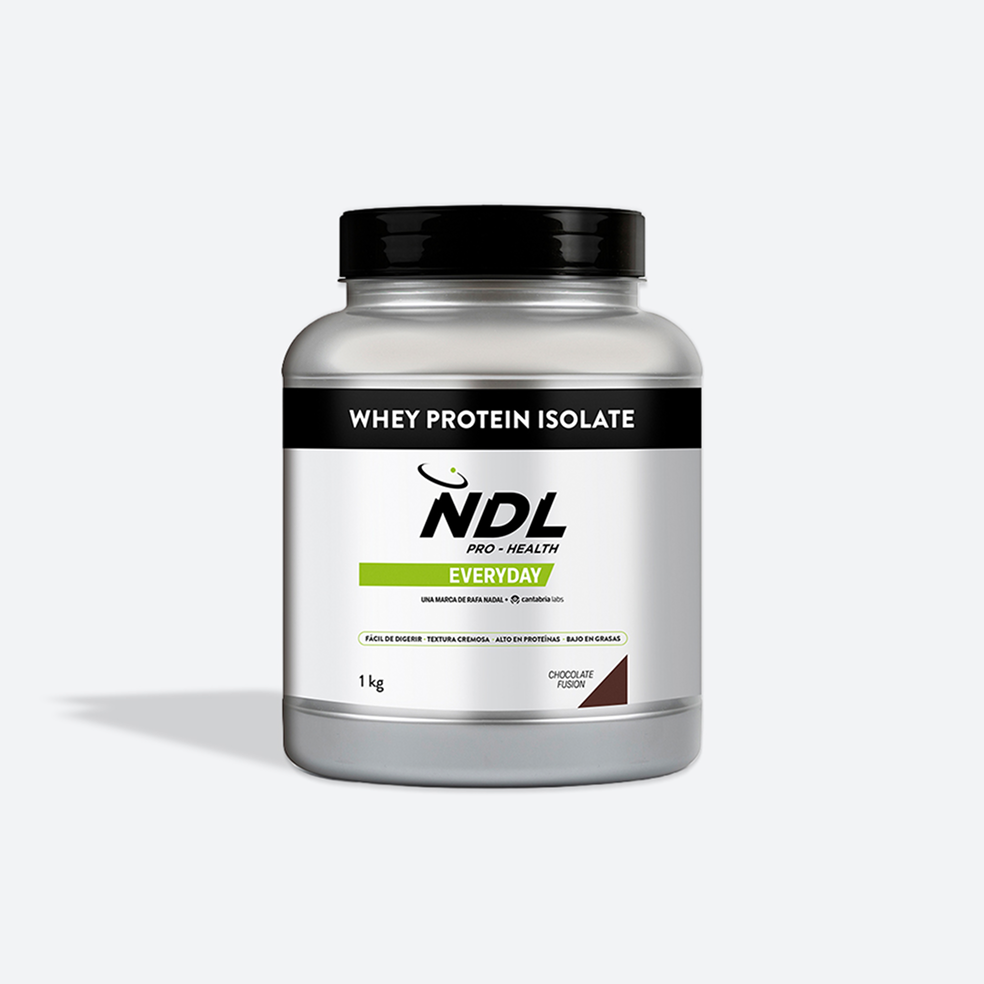
Buy Protein Online

Type of protein: The type of protein you choose will depend on your nutritional goals:

  • Fast Post-Workout Absorption: Choose whey protein.
  • Slower, Sustained Release: Casein is the ideal choice.
  • Vegan Options or Dairy Intolerance: Consider plant-based proteins such as pea, soy or brown rice protein.

Protein quality: To assess protein quality, look for products with quality and purity certifications such as GMP (Good Manufacturing Practices) or Informed-Sport (free from banned substances). Also, check the amount of protein per serving in relation to the serving size. As a reference, a premium protein should contain at least 20 grams of protein per serving.

Format: The most common format on the market is protein powder, available in 1 kg or 0.5 kg tubs. You can also find protein in bars, ready-to-drink liquids or capsules.

Flavour: Flavour choice is more personal, with chocolate, vanilla and strawberry being the most popular protein flavours.

Why buy protein from NDL?

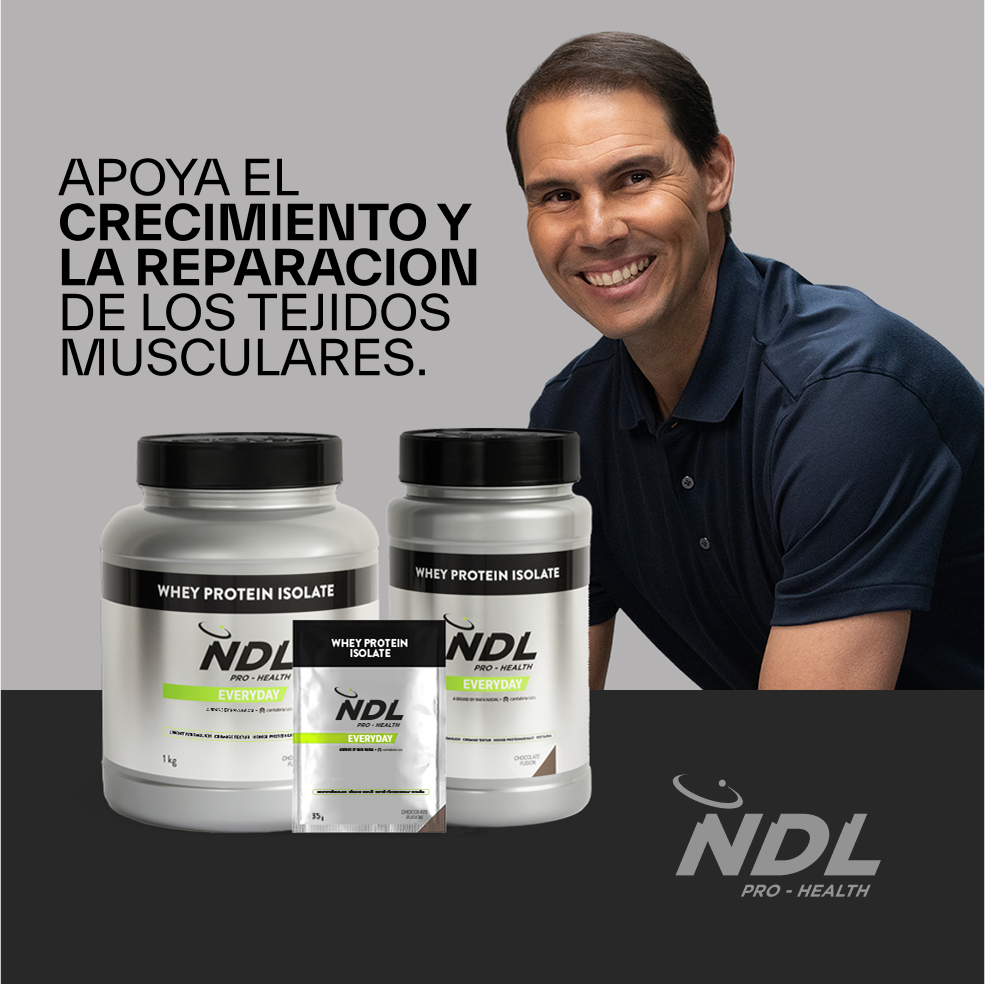
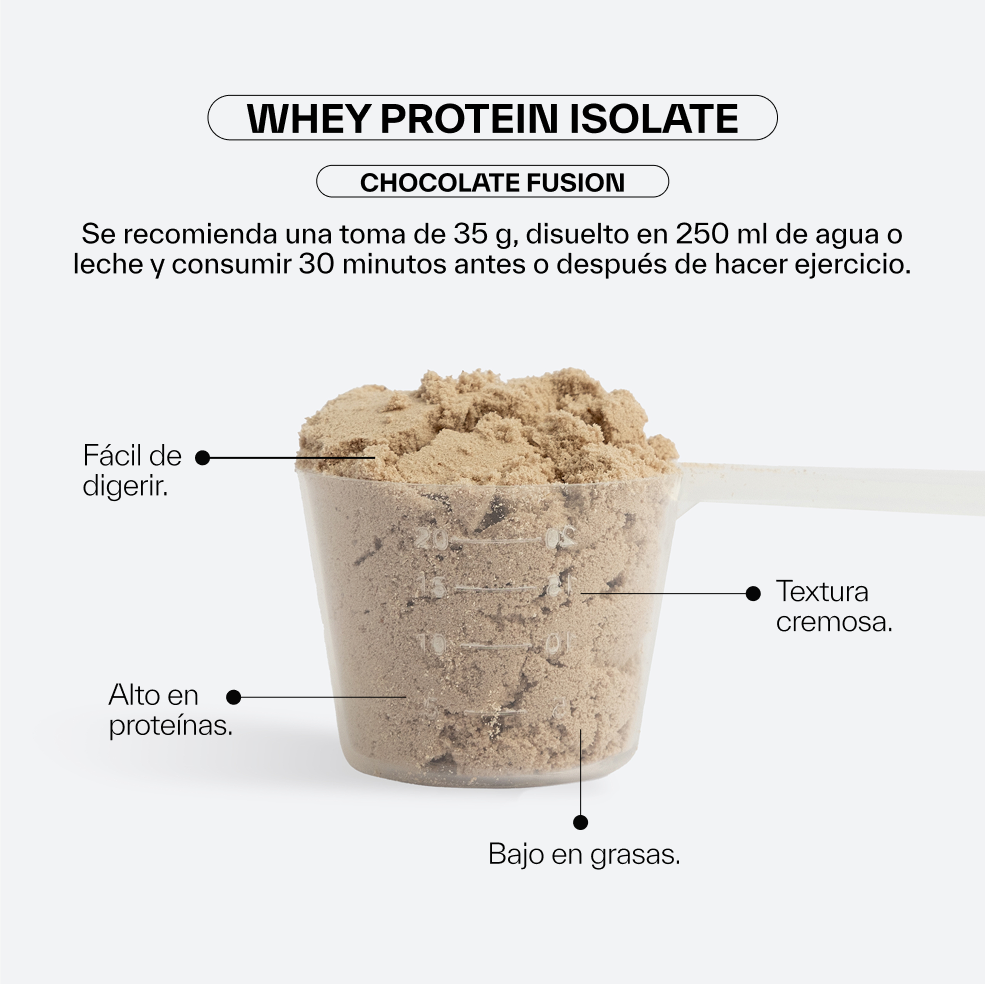
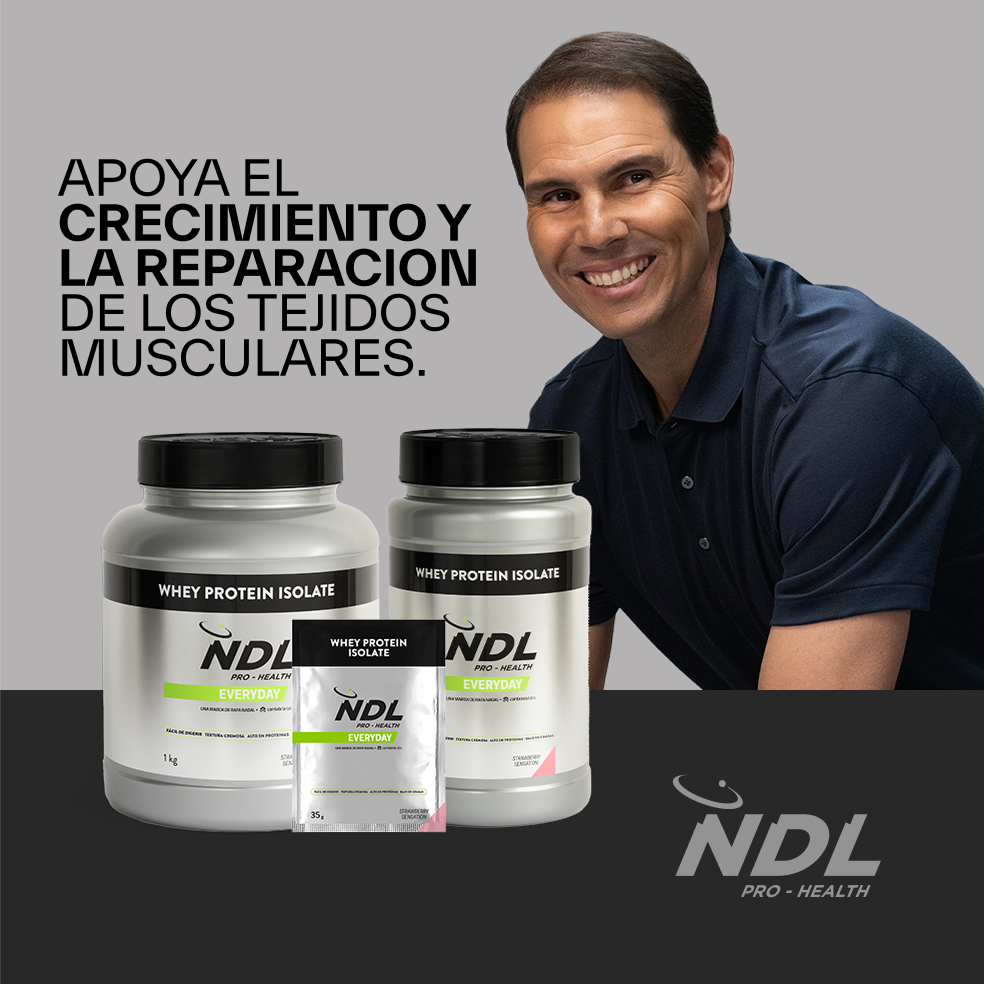
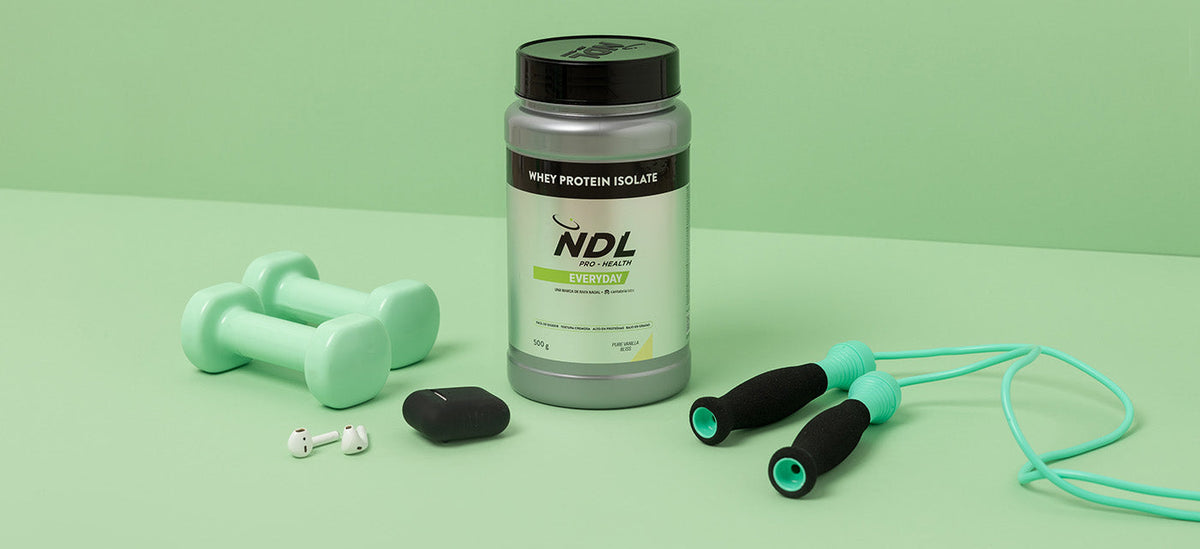
Buying protein from NDL is an excellent choice because we offer high-quality Whey Isolate protein, available in the most popular flavours: chocolate, vanilla and strawberry. Our formula has been developed by Cantabria Labs, ensuring the highest quality standards. In addition, our protein stands out for its excellent solubility and easy digestion, making it ideal for those looking to improve their performance without digestive discomfort. We also offer fast 48-hour delivery, ensuring that you receive your product quickly and efficiently.

Frequently asked questions

What is the difference between Whey, Isolate, and Hydrolysed protein?

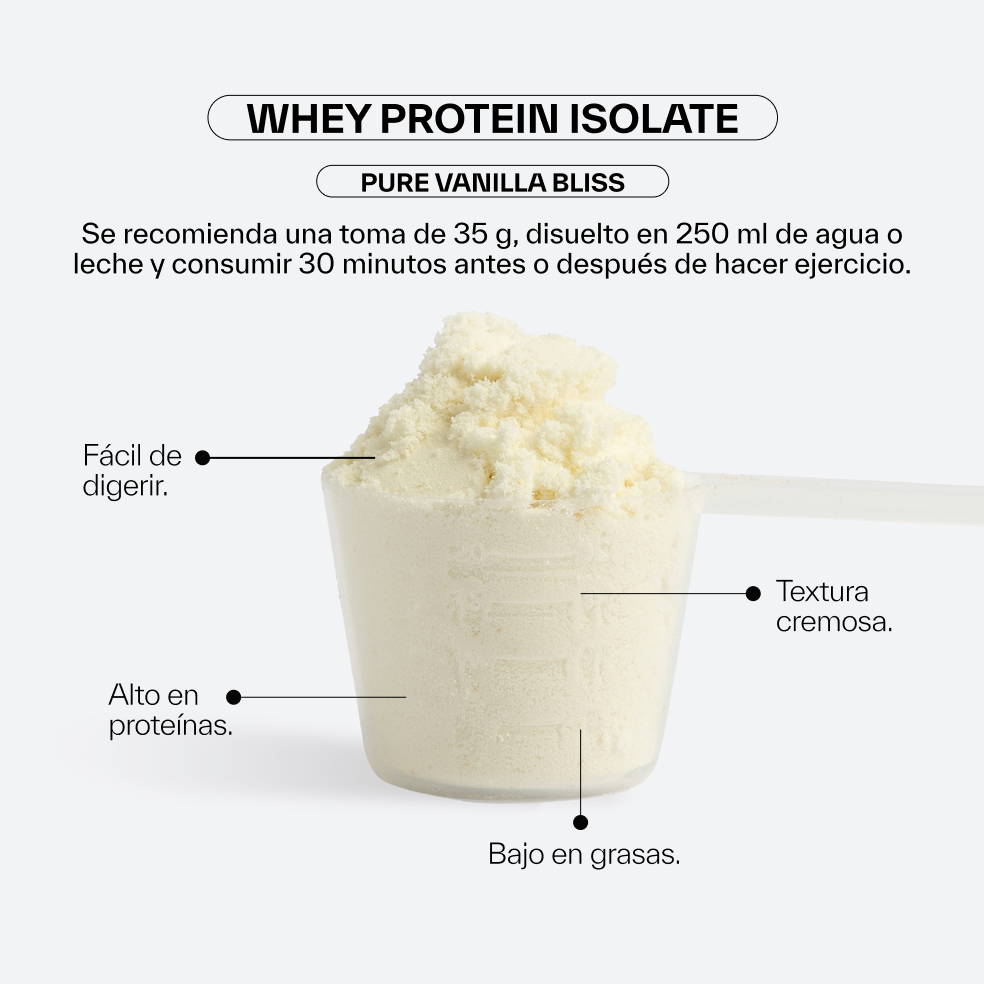
Whey protein is whey protein derived from milk. Within this category, there are different types depending on how it is processed. Whey Isolate is filtered to obtain a higher protein concentration while minimising fats, carbohydrates, and lactose. Hydrolysed protein also undergoes a process that breaks the protein down into smaller peptides, facilitating digestion and faster absorption.

When is the best time to take a protein shake?

The best time to take a protein shake depends on your goals and your total daily protein intake. After training is a very common option to support recovery, but it can also be taken between meals or as part of breakfast to help you meet your daily protein needs conveniently.

Does NDL protein help you lose fat or is it only for gaining muscle?

NDL protein is not specifically intended for fat loss, but rather to help you meet your daily protein needs. Protein contributes to the growth and maintenance of muscle mass and the maintenance of normal bones. Fat loss mainly depends on energy balance, diet, and physical activity.

Is it normal to feel bloated after drinking protein shakes?

Not necessarily. The feeling of bloating is usually related to the quality of the protein, the presence of lactose, or each person’s digestive capacity. High-purity protein isolates, with low lactose content and formulated with digestive enzymes, such as Pepzyme Pro®, are designed to provide better digestive tolerance.