REAL REVIEWS
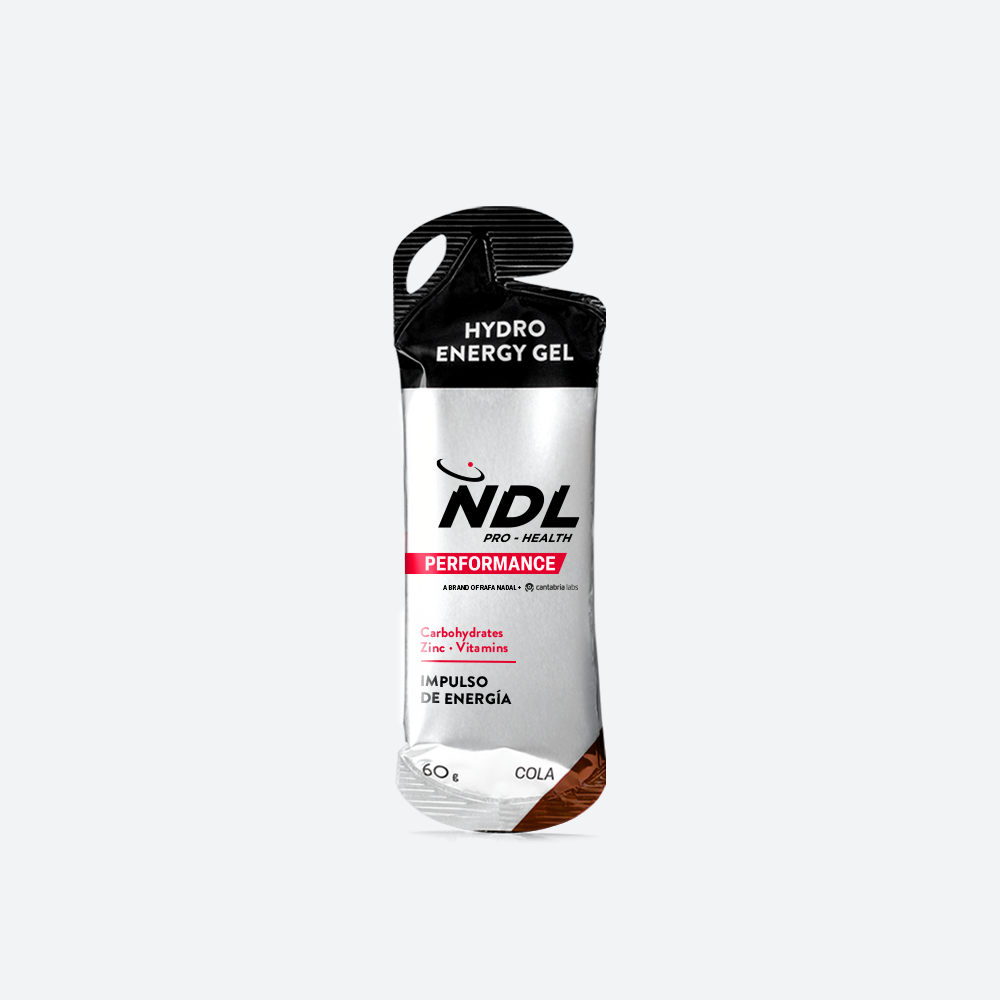
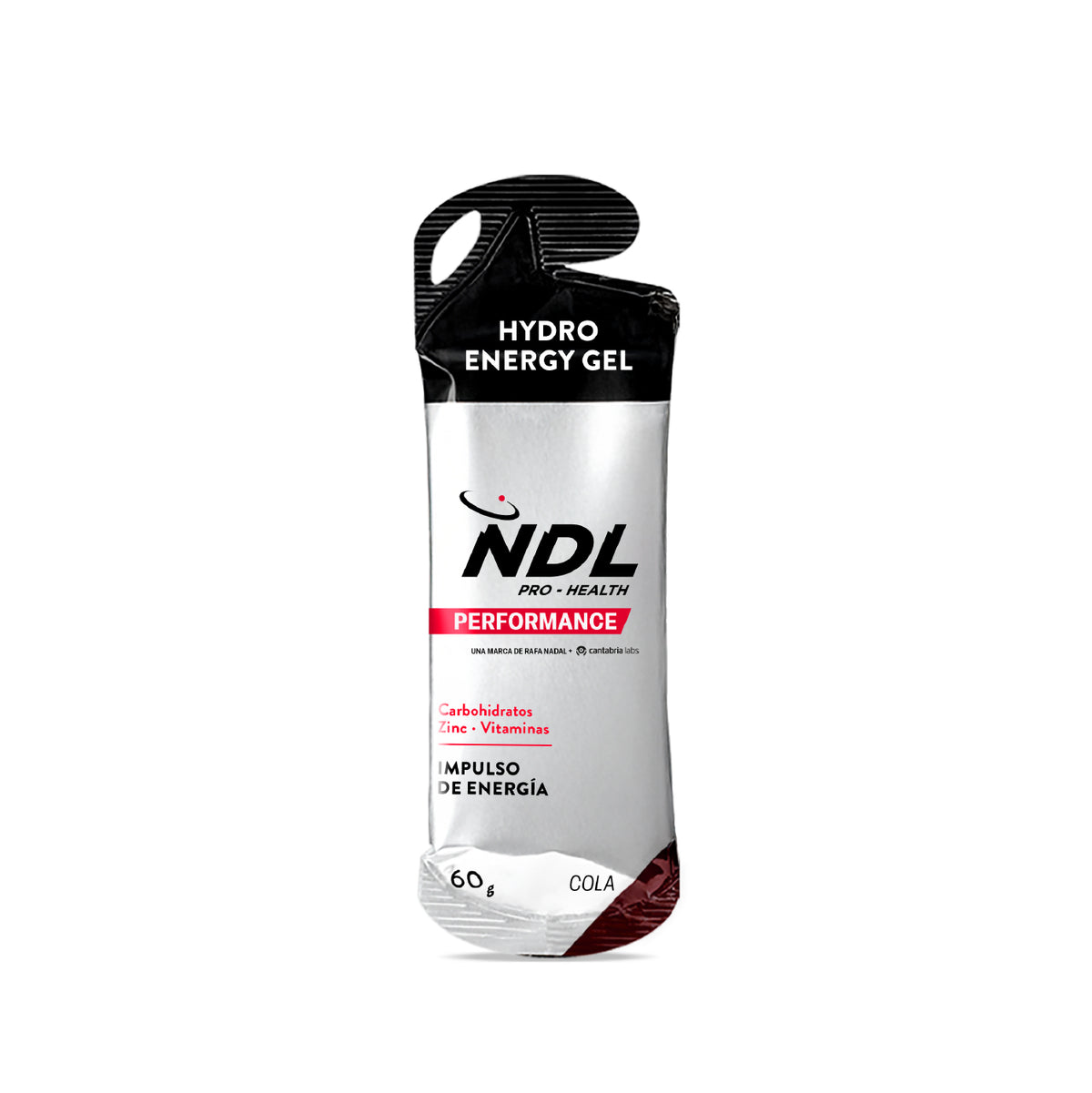
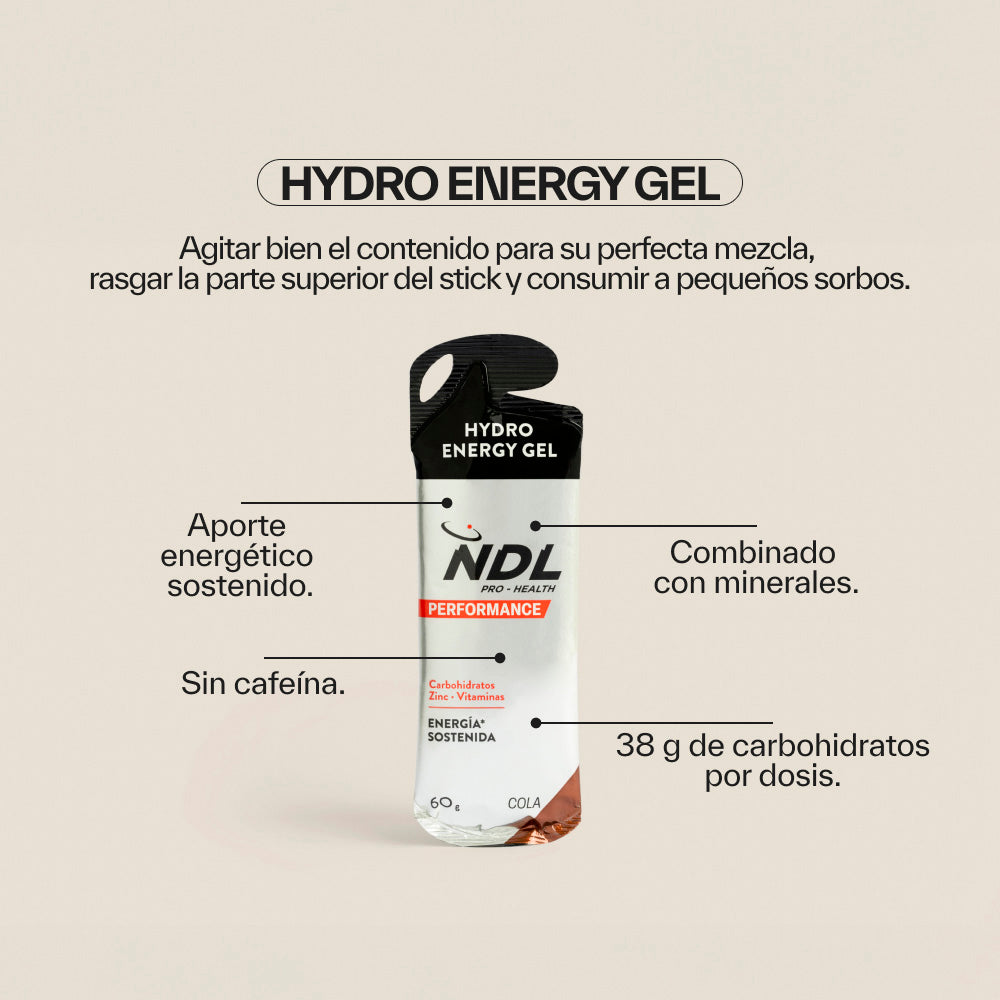

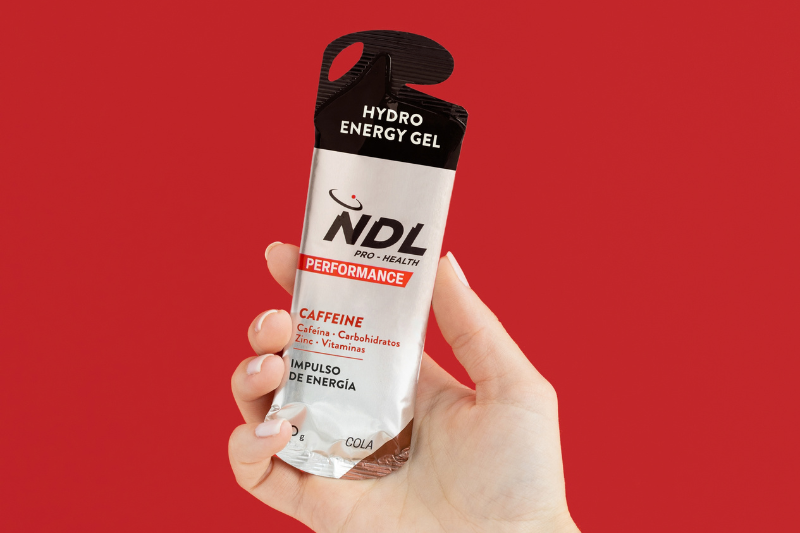
Hydro Energy Gel
£3.00
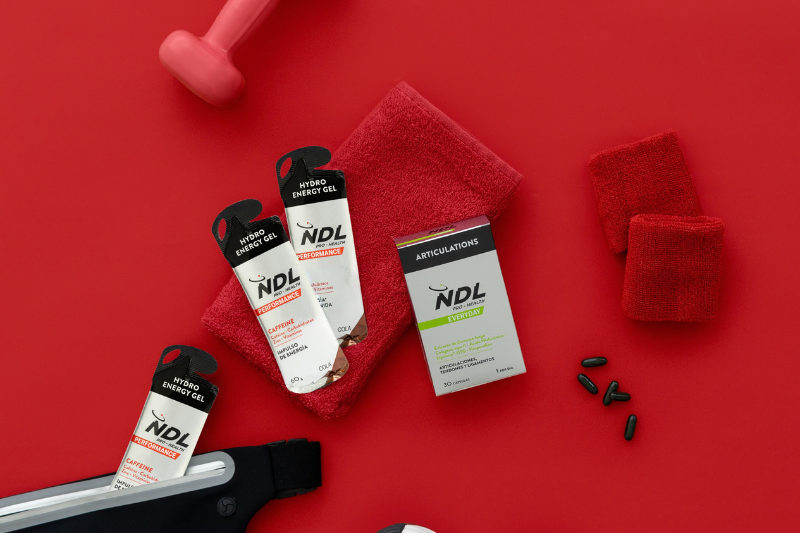
60 gEasy to open and consumeEasy and fast digestionSustained energy
120 Cápsulas | 40 días
Flavours:
Regístrate para ser el primero en enterarte cuando esté disponible

Reducción del estrés y la ansiedad

Aumento de concentración y claridad mental

Sensación de bienestar y calma

Formulado por Cantabria Labs
Menos cansancio. Más energía para tu día. Un complejode magnesio, vitaminas, minerales y adaptógenos diseñado para ayudarte areducir la fatiga y mantener tu vitalidad física y mental.
What you need to know
Is it right for me?
A formula developed with scientific expertise
Why trust NDL Pro-Health
How to take it?
Before taking it, please note…
SCIENCE AND WELLBEING
Main ingredients
A combination of selected active ingredients to support calm, focus, and daily wellbeing.
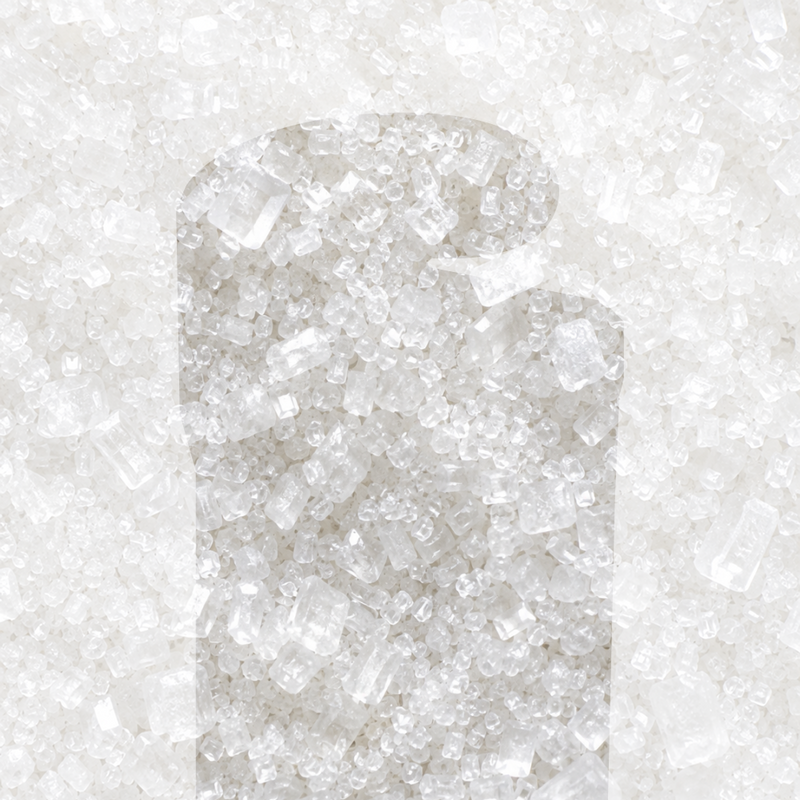
Hidratos de carbono
Principal fuente de energía para el organismo, ayudan a mantener el rendimiento durante el ejercicio y a reponer energía en esfuerzos prolongados.
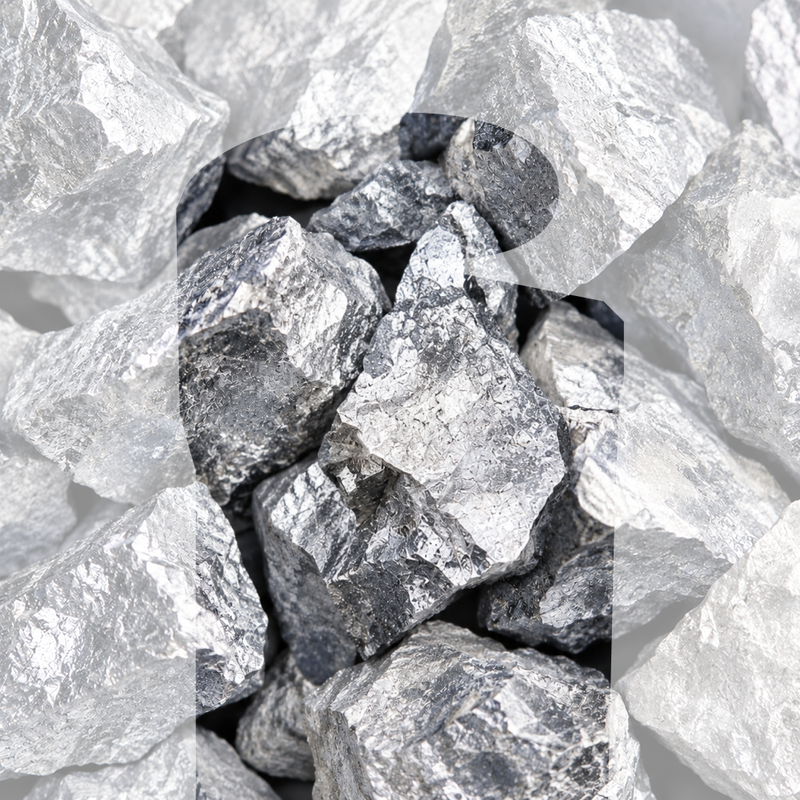
Zinc
Contribuye al funcionamiento normal del sistema inmunitario y ayuda a proteger las células frente al estrés oxidativo, apoyando además el metabolismo energético.

Sin cafeína
Ayuda a aumentar el estado de alerta y la concentración, y puede contribuir a mejorar el rendimiento durante el ejercicio.
Effects you will feel
Cuando lo tomas
Durante esfuerzos largos o intensos, tus músculos van consumiendo sus reservas de carbohidratos. El gel aporta carbohidratos en un formato concentrado y fácil de tomar durante la actividad.
Mientras tu cuerpo trabaja
La cafeína añade un estímulo extra en momentos de mayor exigencia, mientras las vitaminas del grupo B participan en los procesos que permiten obtener energía de los nutrientes.
Cuando sabes utilizarlo
Aprendes en qué entrenamientos lo necesitas, cuándo tomarlo y cómo responde tu cuerpo. Te anticipas a las necesidades de energía y utilizas el gel con un propósito claro dentro del esfuerzo.
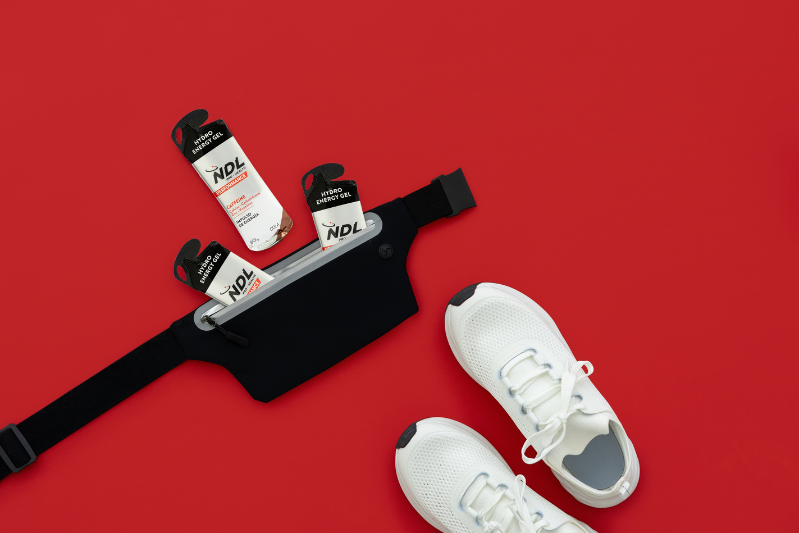
LA SESIÓN EMPIEZA ANTES DE SALIR.
Prepara tu material y lo que vas a tomar. Combinamos carbohidratos, cafeína y vitaminas del grupo B en un gel para llevar contigo. La niacina contribuye al metabolismo energético normal.FUENTES DE CARBOHIDRATOS
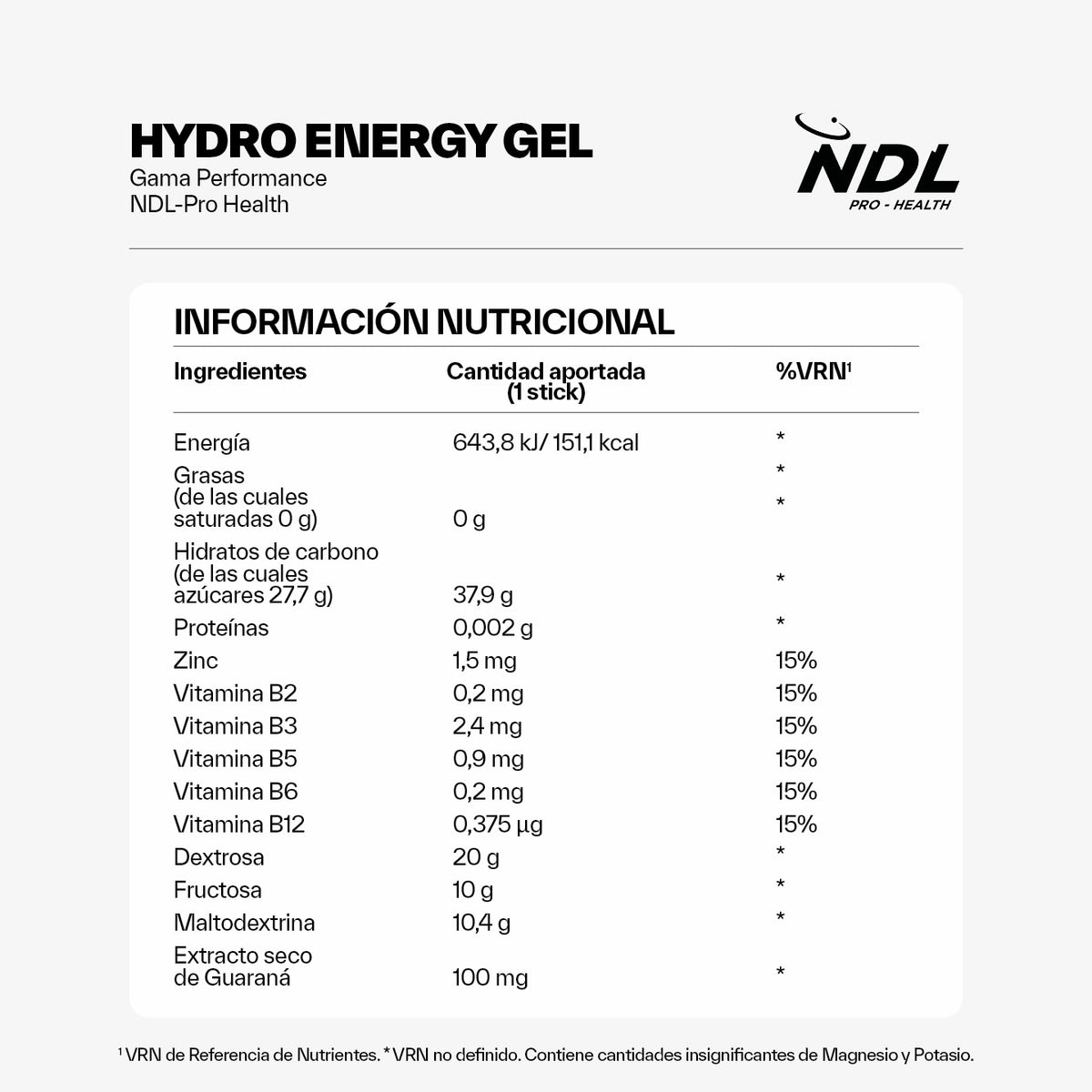
Dextrosa, maltodextrina y fructosa. Una combinación que puedes incorporar a tu planificación durante el ejercicio.
B3 PARA EL METABOLISMO ENERGÉTICO
La niacina, o vitamina B3, contribuye al metabolismo energético normal.
B5 FRENTE AL CANSANCIO
El ácido pantoténico, o vitamina B5, ayuda a disminuir el cansancio y la fatiga.