Menopause marks a before and after in women's health, not only at the reproductive level, but in the overall balance of the body. Deep hormonal changes, increased sensitivity to stress, and a different body response to everyday stimuli make many women feel that what used to work no longer does.
In this scenario, understanding what is happening internally and how to support the body in an intelligent way becomes key. Far from quick fixes or temporary patches, an approach that helps the body adapt, regulate, and regain stability from within is increasingly making sense.
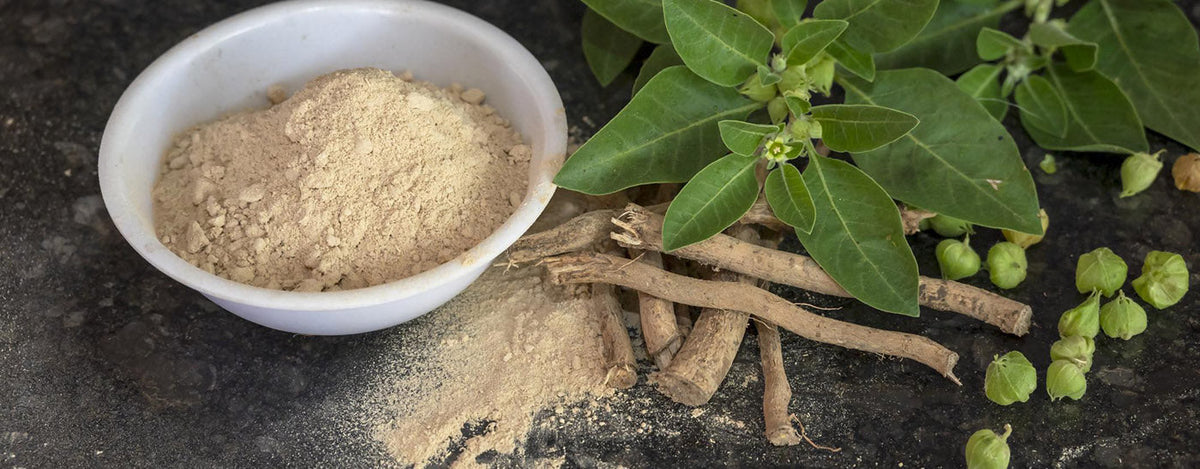
As we will see next, one of the benefits of ashwagandha for women is its effect on menopause symptoms.
The Hormonal Challenge of Women: Why Do We Need an Adaptogen?
Menopause is not a one-time event, but a complex and prolonged hormonal transition process that can last for years. During this phase, the female body undergoes a real physiological roller coaster marked by the progressive decrease of estrogen and progesterone, two key hormones in regulating physical and emotional well-being.
This imbalance does not act in isolation. It overlaps with a cyclic and cumulative stress that women often carry from previous decades: work demands, mental load, family responsibilities, sleep changes, and, in many cases, constant self-expectation that keeps the nervous system on alert. The result is an organism that no longer responds the same way to stress stimuli and loses its ability to adapt.
This is where a fundamental axis comes into play: the hypothalamic-pituitary-adrenal (HPA) axis, responsible for coordinating the stress response. During menopause, this axis is especially compromised. As estrogen decreases, the adrenal glands take on a more prominent hormonal role, which can lead to an increase in cortisol. This “hormonal stress” is directly related to common symptoms such as hot flashes, anxiety, irritability, insomnia, persistent fatigue, or the feeling of emotional overwhelm.
In this context, the body doesn't simply need “stimulation” or quick fixes, but adaptive support. That is, substances capable of helping the body recover its internal balance (homeostasis), modulating the stress response without forcing it. This is where adaptogens are especially relevant.
An adaptogen acts as an intelligent regulator: it helps the body respond better to physical, mental, and hormonal stress, regardless of its origin. In menopause, this approach is especially valuable, as it’s not about suppressing symptoms, but about teaching the body to adapt to a new hormonal reality with greater resilience and stability.

In the following sections, we will see why ashwagandha stands out as one of the most comprehensive and studied adaptogens to accompany women during this phase, helping to balance hormones, reduce hot flashes, and restore emotional calm.
What Makes Ashwagandha Different for the Female Body?
Not all adaptogens act the same way or have the same impact on the female body. Ashwagandha (Withania somnifera) stands out particularly because its action is not stimulating or aggressive, but deeply regulating, something key in such a sensitive stage as menopause.
Unlike other compounds that “push” the body to react, ashwagandha works on the control systems, helping the body interpret stress better and respond in a more balanced way. This difference is crucial for women, whose hormonal system is especially sensitive to cortisol spikes and nervous system overload.
One of the most relevant aspects of ashwagandha is its ability to modulate cortisol, the stress hormone. During menopause, excess cortisol not only intensifies anxiety and insomnia, but also interferes with hormonal balance, promotes hot flashes, hinders weight control, and worsens fatigue. Ashwagandha does not block cortisol, but helps to normalize its release, preventing both spikes and adrenal exhaustion.
Moreover, its action goes beyond stress. Ashwagandha acts as a bridge between the nervous system and the endocrine system, promoting more efficient communication between the brain and hormonal glands. This translates into better adaptation to the drop in estrogen, greater emotional stability, and an overall sense of better internal control.
Another differential point for the female body is its impact on sleep and anxiety. Menopause often deeply disrupts circadian rhythms, causing nighttime awakenings, nervousness, and difficulty disconnecting mentally. Ashwagandha helps induce a state of calm without sedation, facilitating deeper and more restorative rest, which is essential for hormonal regulation and daily well-being.
Finally, its profile is particularly interesting for women seeking natural, sustainable solutions compatible with prolonged use. Ashwagandha does not act as a temporary patch but as a progressive support that helps the female body regain resilience in the face of hormonal changes during this phase.
4 Essential Benefits of Ashwagandha for Female Health
Ashwagandha does not act on a single symptom, but exerts a systemic effect that is especially valuable during the menopausal transition. Its benefits manifest progressively and deeply, addressing both the hormonal and emotional and energetic levels.
1. Modulation of Stress and Anxiety (Impact on Mood)
One of the best-known and most relevant benefits of ashwagandha is its ability to regulate the stress response. During menopause, the combination of hormonal changes and emotional overload leads to anxiety, irritability, sudden mood swings, and even a sense of emotional loss of control.
Ashwagandha works on the hypothalamic-pituitary-adrenal (HPA) axis, helping to reduce elevated cortisol levels without nullifying the natural stress response. This results in greater emotional stability, a calmer perception of daily life, and a significant improvement in mood. Many women describe a feeling of “reduced mental noise” and greater emotional clarity after continued use.
2. Hormonal Balance and the Menstrual Cycle
Although menopause marks the end of the menstrual cycle, the body still undergoes intense hormonal fluctuations, especially during perimenopause. Ashwagandha does not provide external hormones but supports a more balanced hormonal environment, helping the body adapt to the decrease in estrogen and progesterone.
When discussing the benefits of ashwagandha during menopause, this regulatory effect helps to soften symptoms such as irregular periods in earlier stages, breast tenderness, mood swings associated with the cycle, and the feeling of internal imbalance. In women still in transition, it can contribute to a more gradual and less abrupt shift to menopause.
3. Vitality and Energy (Combating Chronic Fatigue)
Persistent fatigue is one of the most underestimated symptoms of menopause. It is not just physical exhaustion but a deep sense of exhaustion, even after rest. This state is often related to excess cortisol, sleep disturbances, and lower metabolic efficiency.
Ashwagandha helps to improve the body's energy resilience, restoring the ability to respond to physical and mental effort. By reducing chronic stress and promoting more restorative rest, many women experience a gradual increase in vitality, better concentration, and improved tolerance to exercise and daily demands.

4. Improvement of Sexual Function and Libido
Decreased libido and sexual well-being is a common effect during menopause, influenced by both hormonal and emotional factors. Stress, anxiety, fatigue, and mood swings directly impact desire and sexual response.
Ashwagandha works indirectly but effectively: by improving hormonal balance, reducing stress, and increasing energy, it creates a more favorable physiological and mental environment for sexual desire. Moreover, its effect on emotional well-being and self-esteem helps reconnect with the body and intimacy, key aspects during this vital phase.
Ashwagandha in Menopause: Natural Relief for Symptoms
Menopause is often experienced as a sum of physical and emotional symptoms that directly impact quality of life. Hot flashes, night sweats, insomnia, anxiety, irritability, or constant exhaustion do not appear in isolation but as a result of a deep imbalance between the hormonal and nervous systems.
Ashwagandha offers a different approach compared to other common solutions: it does not suppress symptoms temporarily, but helps the body recover its natural ability to regulate.
That is why it has become one of the most interesting adaptogens to accompany women during this phase, with more and more women choosing to take advantage of the benefits of ashwagandha during menopause.
Reduction of Hot Flashes and Night Sweats
Although hot flashes are directly related to the drop in estrogen, their intensity and frequency are clearly amplified by stress and the constant activation of the sympathetic nervous system. Ashwagandha helps to modulate this hyper-response, promoting greater thermal stability and reducing the intensity of vasomotor episodes.
By normalizing cortisol and promoting a state of greater internal calm, many women experience a progressive reduction in hot flashes and better tolerance to sudden temperature changes.
Combats Insomnia and Improves Sleep Quality
Insomnia is one of the most persistent and frustrating symptoms of menopause. Nighttime awakenings, difficulty falling asleep, or the feeling of not having rested enough directly affect hormonal balance and emotional state.
One of the benefits of ashwagandha for women is that it helps to induce a state of physiological relaxation, without causing sedation or dependence. Its effect on the nervous system promotes deeper and more restorative sleep, which positively impacts energy, mood, and the ability to manage daily stress.
Supports Metabolism and Weight Maintenance
Weight gain during menopause is one of the most frustrating changes for many women. It is not usually just due to eating more or moving less, but to a metabolic reprogramming influenced by the drop in estrogen, increased cortisol, and reduced insulin sensitivity. The result is a greater tendency to accumulate fat, especially abdominal fat, even when maintaining habits similar to earlier stages.
Ashwagandha can become a strategic ally for female metabolism in this phase, acting on the internal causes that make weight control difficult.
One of its main mechanisms of action is regulating cortisol, the stress hormone. Elevated and sustained cortisol levels promote visceral fat accumulation, slow down metabolism, and increase cravings for sugary and fatty foods. By helping to normalize this response, ashwagandha contributes to creating a more favorable hormonal environment for weight maintenance.
Moreover, chronic stress and poor sleep affect thyroid function, which is key in regulating energy expenditure. Ashwagandha indirectly supports thyroid axis balance, promoting a more efficient metabolism and better energy utilization.

Another relevant aspect is its impact on energy and motivation. By reducing fatigue and improving mood, many women feel more active and more willing to maintain a regular exercise routine, which is essential to preserve muscle mass and prevent metabolic slowdown typical of menopause.
It is important to understand that ashwagandha is not a fat burner, but a metabolic modulator. Its value lies in helping the body move out of the “survival mode” induced by hormonal stress, making healthy habits—balanced nutrition, movement, and rest—effective again.
In conjunction, its continued use can support a more stable and sustainable weight control, aligned with the real needs of the female body during menopause, without resorting to aggressive or restrictive solutions.
A Natural Ally for Every Hormonal Stage of a Woman’s Life
A woman's hormonal health is not static: it evolves throughout life, from the menstrual cycles of the fertile stage, through perimenopause, to menopause and the post-menopausal period. In each of these phases, the body faces different challenges, but with a common denominator: the need to adapt to constant changes without losing balance, energy, or emotional well-being.
Ashwagandha stands out precisely because of its ability to accompany these processes without imposing artificial changes. It does not act by replacing hormones or forcing responses, but by helping the body regain its natural ability to regulate in the face of stress, hormonal fluctuations, and mental overload that many women experience throughout their lives.
During the fertile stage, it can support chronic stress management, improve rest, and soften the impact of the menstrual cycle on mood and energy. In perimenopause, it helps buffer hormonal fluctuations, anxiety, and fatigue that often characterize this transition. And in menopause, it consolidates as an integral support, contributing to emotional well-being, rest, vitality, weight control, and overall quality of life.
Beyond the specific benefits, its greatest value lies in the approach: working with the body, not against it. In a context where many women seek natural, sustainable, and compatible alternatives for long-term use, ashwagandha stands as a versatile and safe tool to accompany long-term female hormonal balance.
Ultimately, ashwagandha is not a one-time solution, but a natural ally for every hormonal stage of a woman’s life, capable of bringing calm, resilience, and stability during times of change. An intelligent support to reconnect with the body and navigate each phase with greater well-being and confidence.