

Multivitamins and Minerals
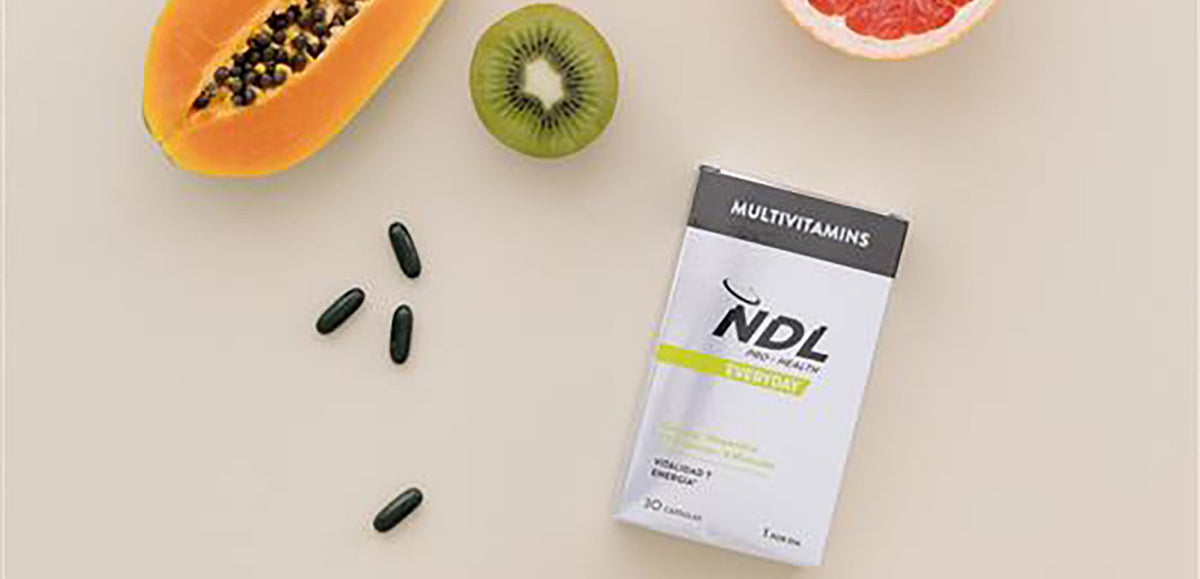
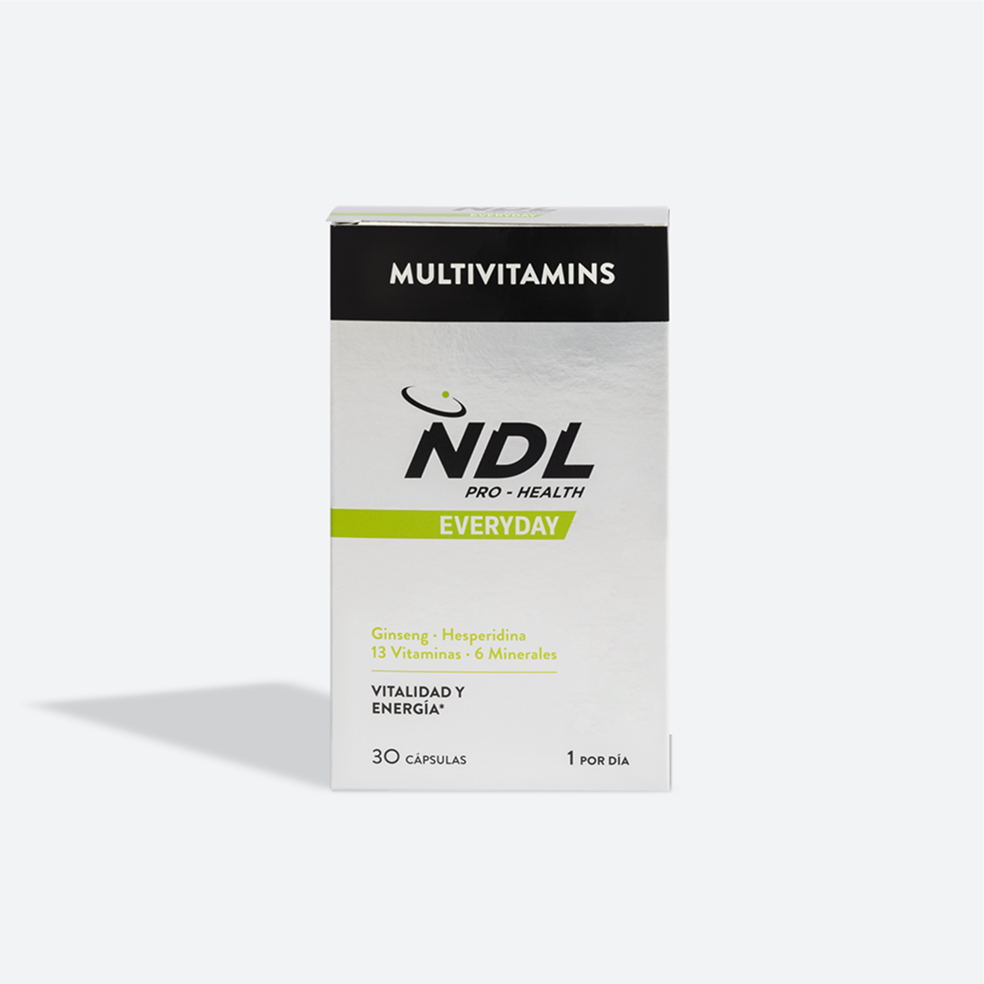
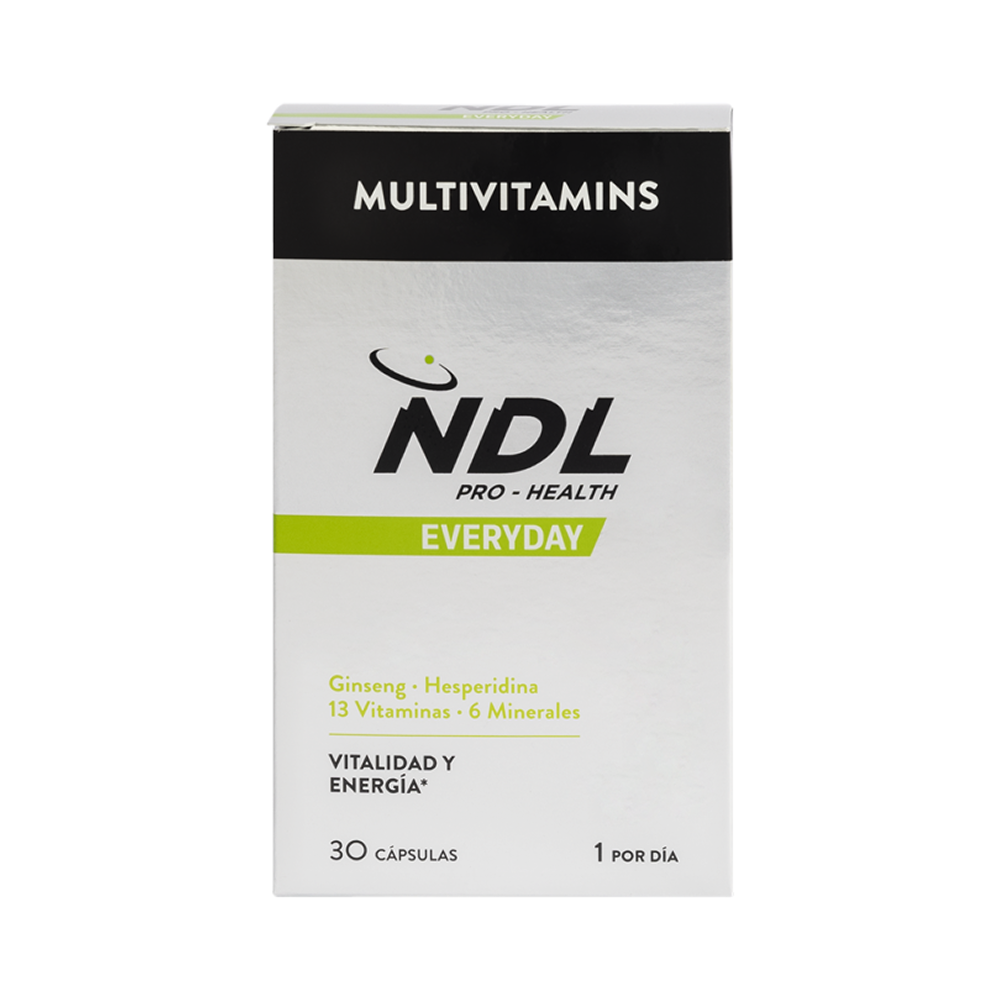
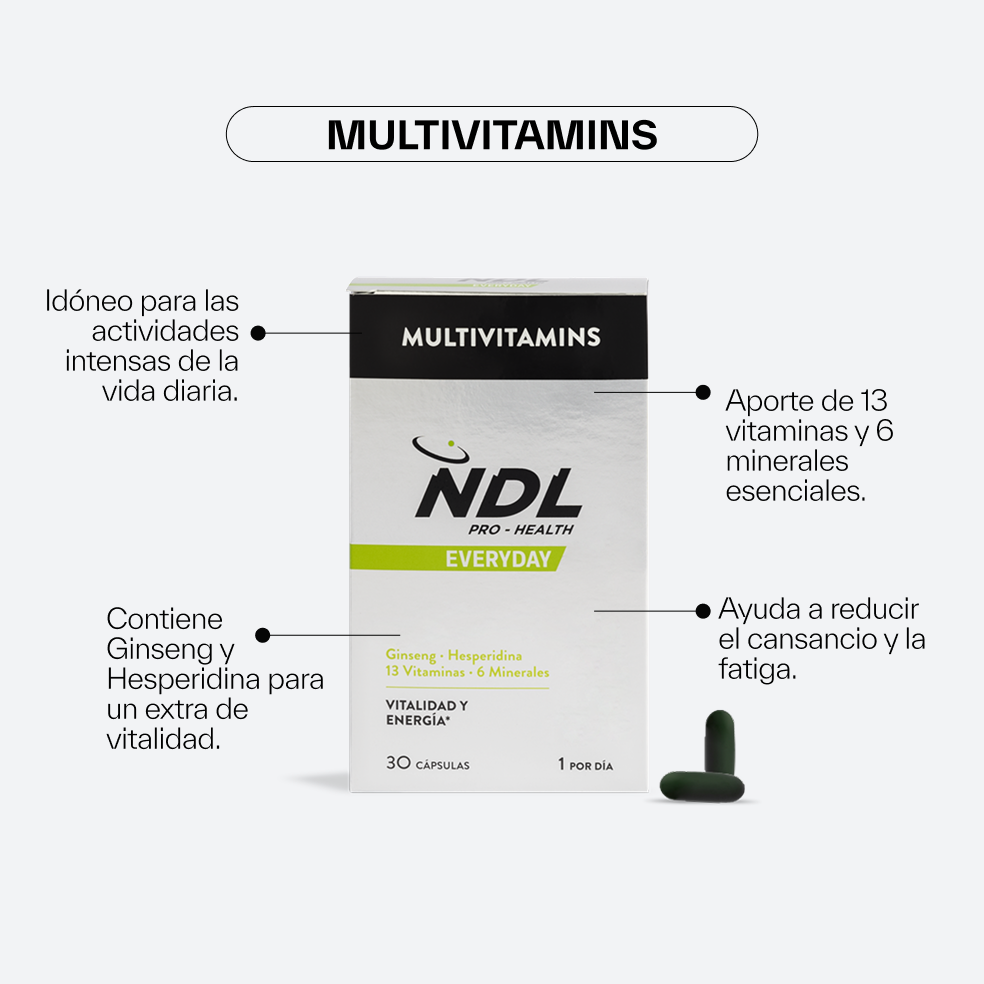
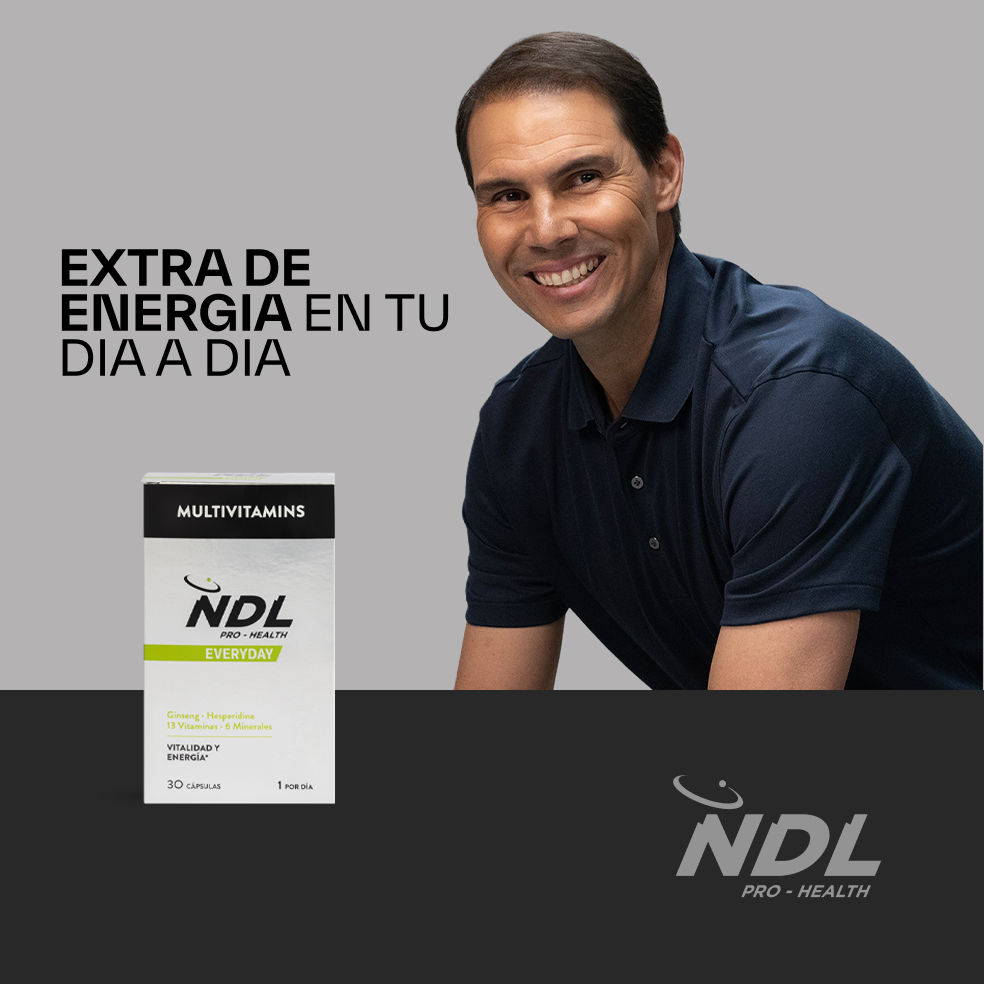
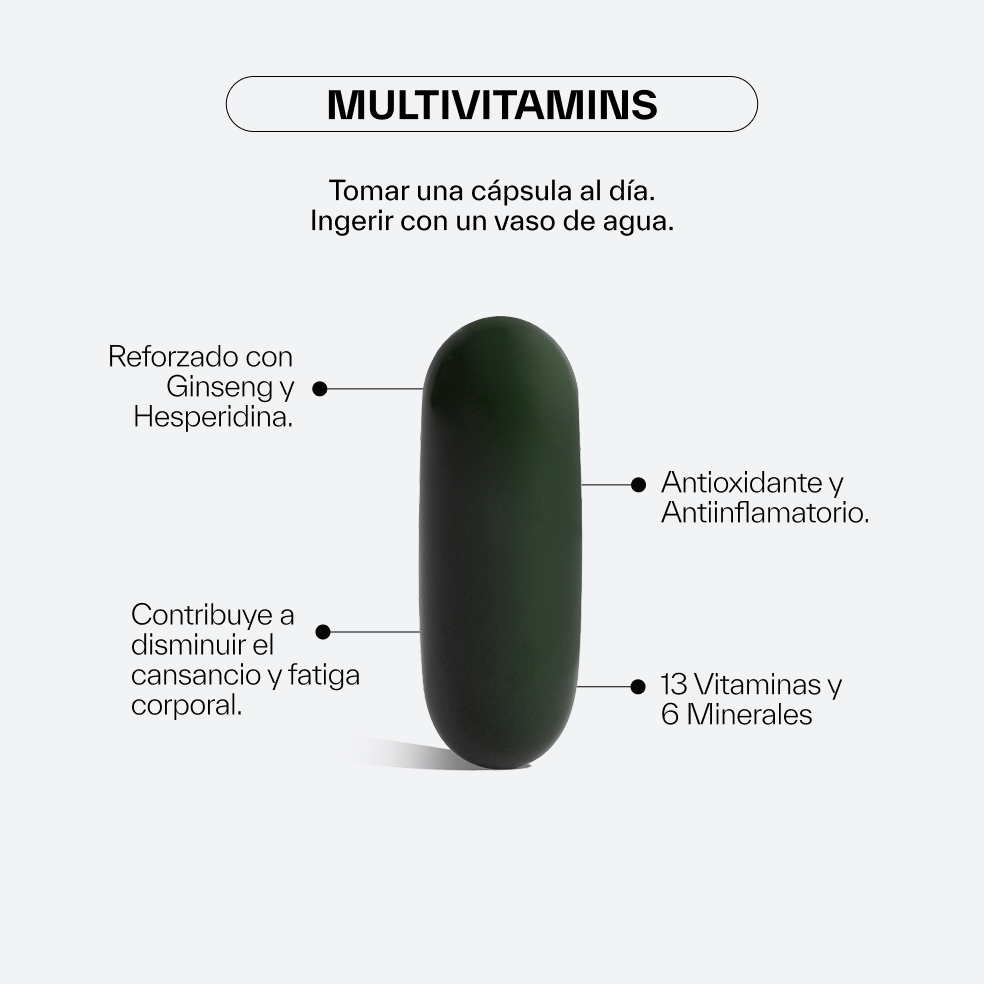
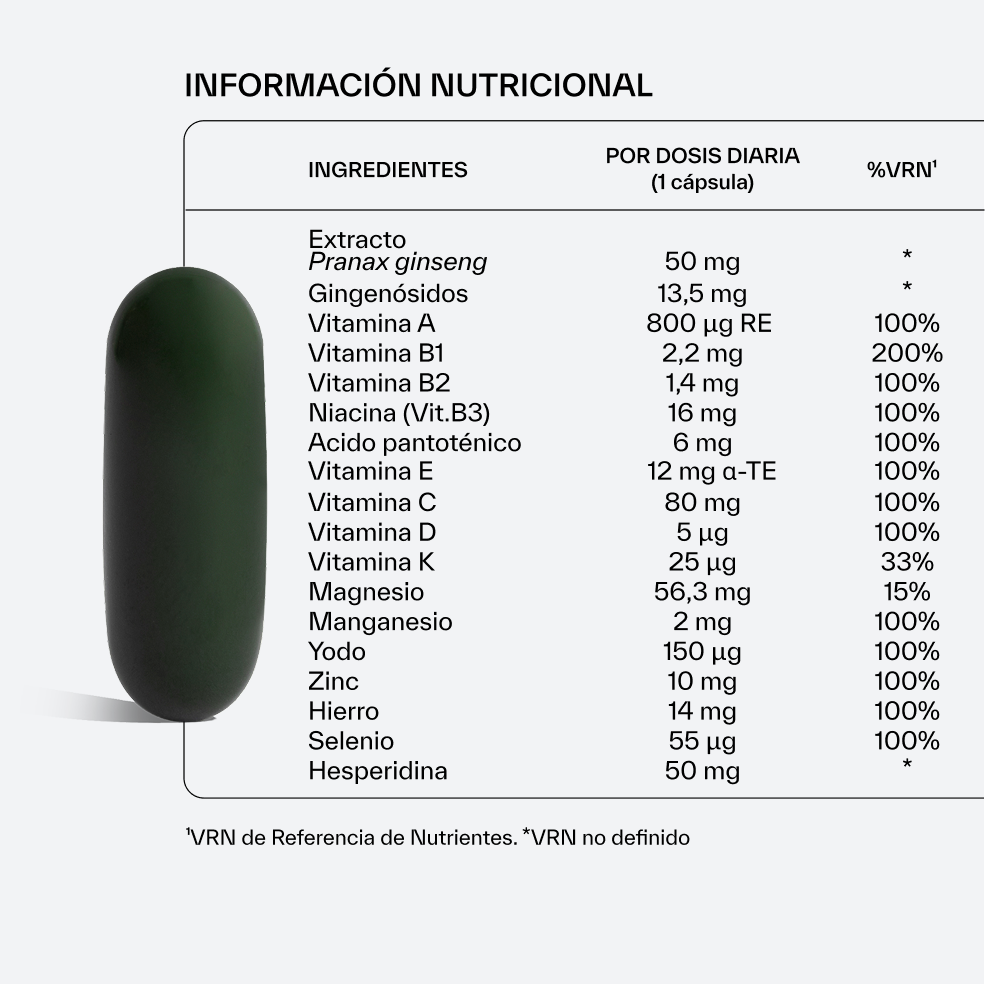
NDL Pro-Health Multivitamins is a source of 13 vitamins and 6 minerals that helps reduce tiredness and fatigue thanks to its content of vitamins C, B2, B5, B6 and B12, as well as minerals such as magnesium and iron. NDL Pro-Health is ideal for everyday life and athletes’ training routines, as it contributes to normal energy metabolism thanks to its content of iodine, thiamine, niacin and manganese.
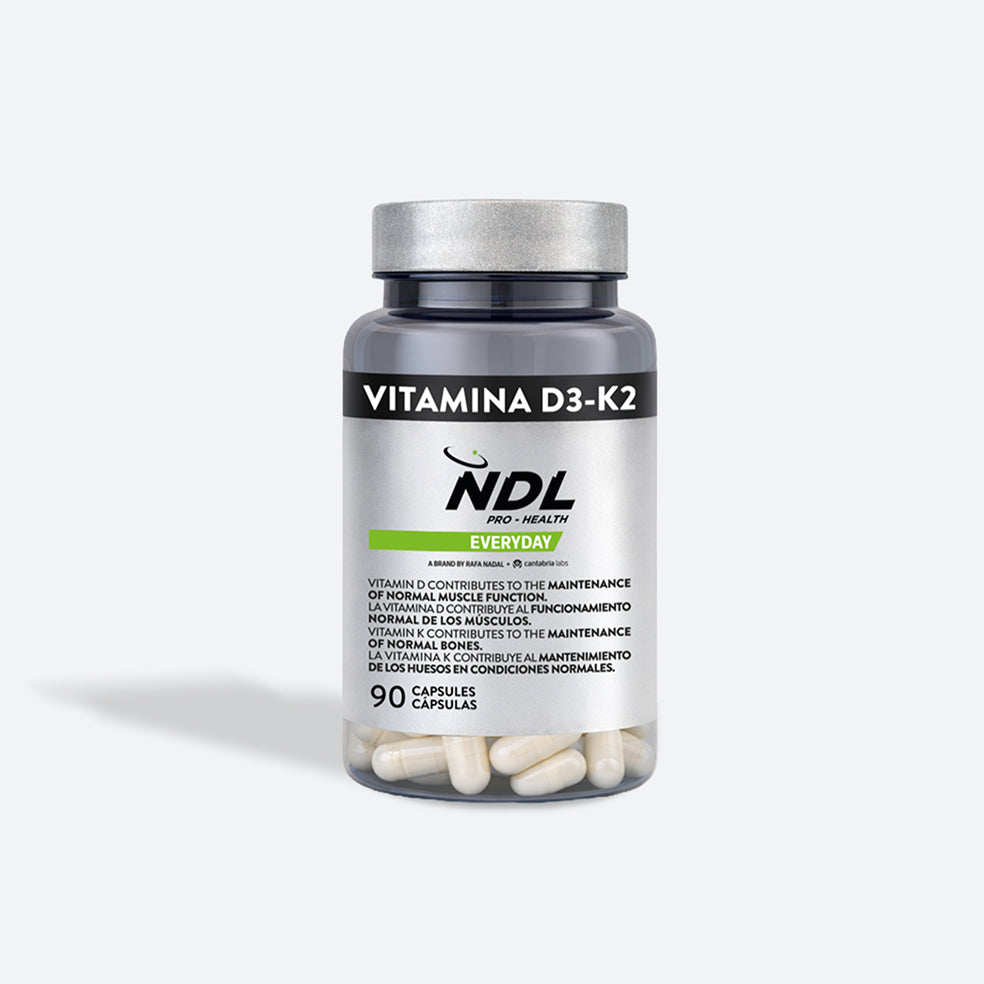
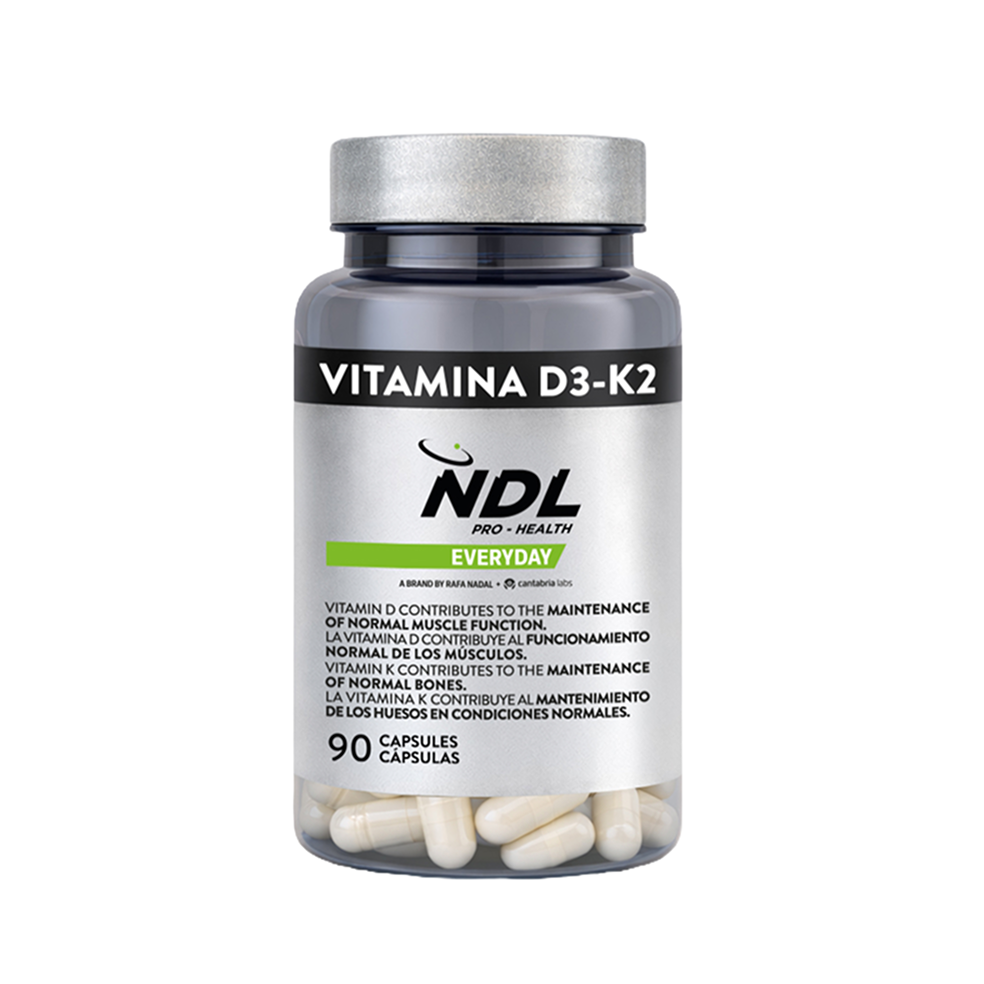

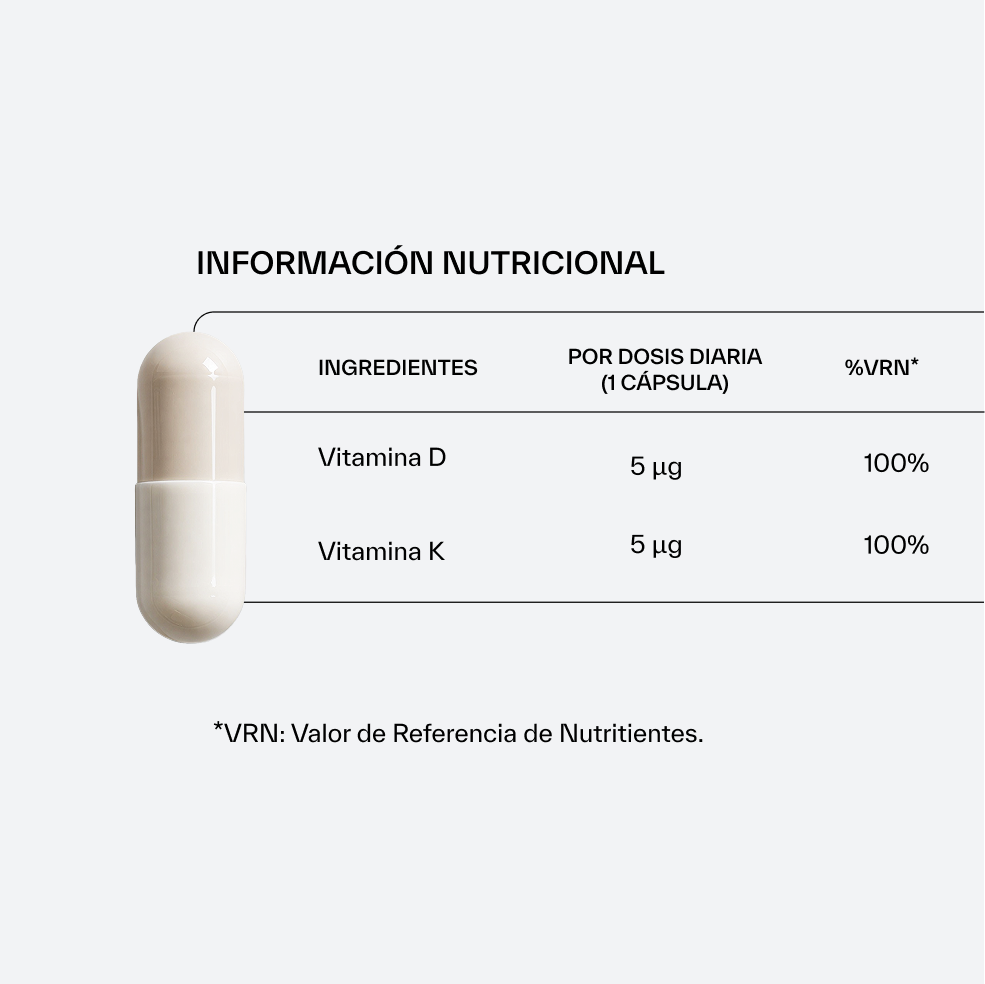
Vitamin D3 + K2
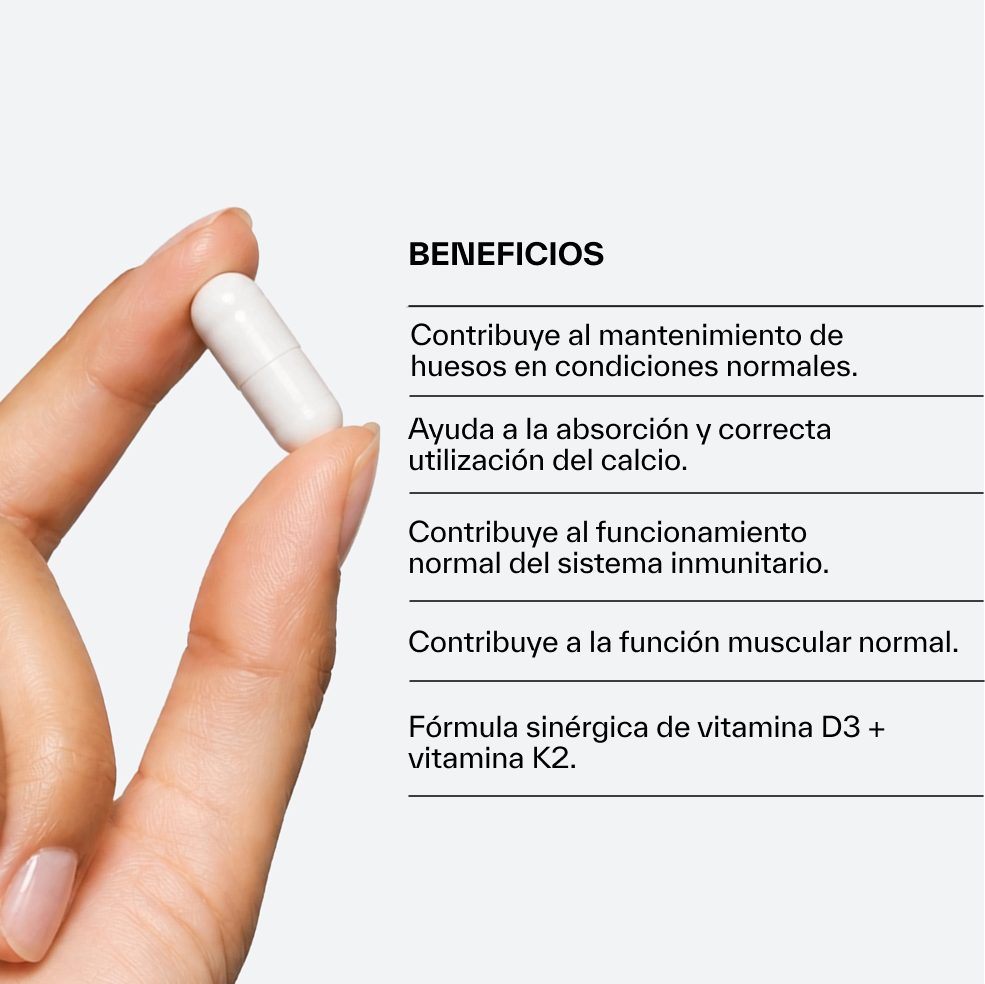
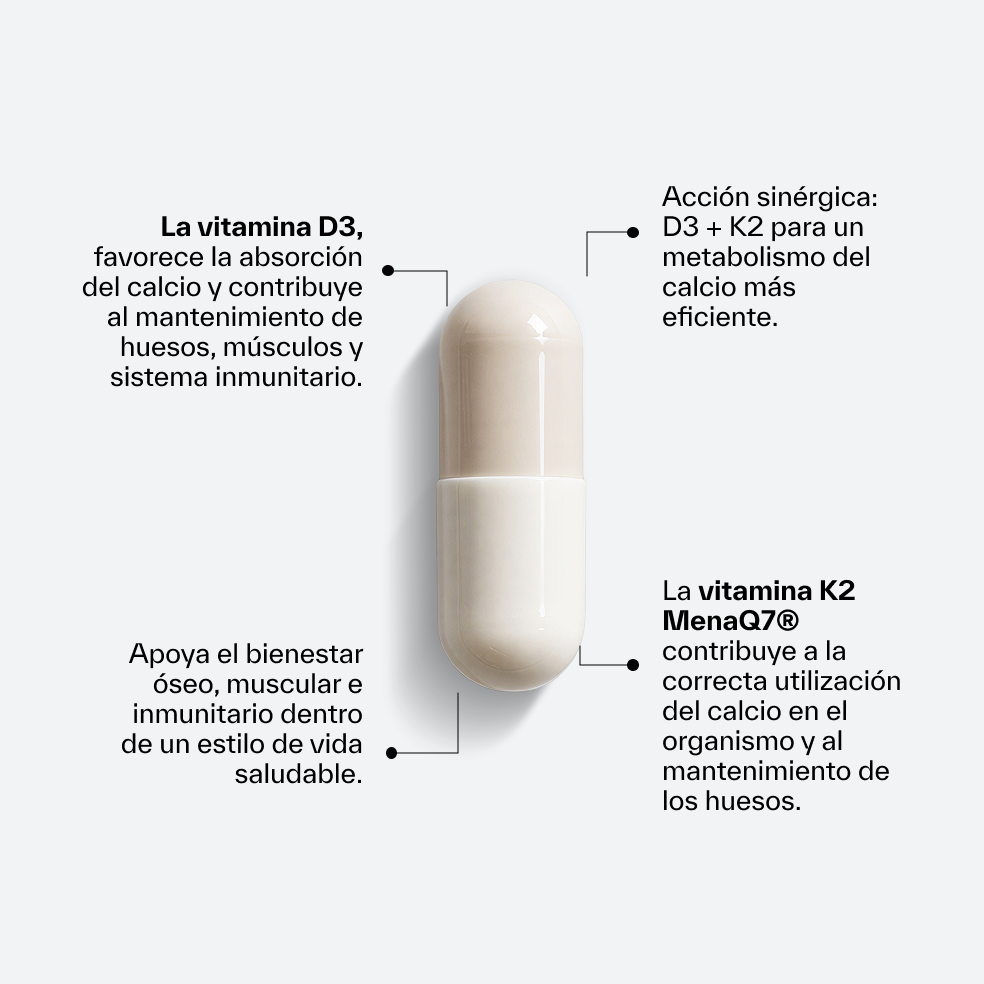
NDL Pro-Health Vitamin D3 + K2 capsules are a food supplement formulated to contribute to normal calcium metabolism, supporting the maintenance of normal bones and teeth. Its combined action promotes the proper use of calcium in the body.

How to choose your multivitamin complex?
The key to choosing the right multivitamin supplement lies in finding the ideal combination of vitamins and minerals to help address nutritional gaps caused by different factors such as nutrient-deficient diets, periods of growth in children and adolescents, demanding training periods, illness, pregnancy and breastfeeding, exam periods, etc.

Properties and benefits of NDL Pro-Health multivitamins
A complete multivitamin complex provides your body with the recommended daily nutritional values that may not be reached due to a lack of a healthy and balanced diet.
NDL Pro-Health Multivitamins contains the following
vitamins and minerals:
Vitamin A
It is a fat-soluble vitamin that acts as a cellular antioxidant and is also essential for vision, the immune system and reproduction. It also contributes to the proper functioning of the heart, lungs and kidneys. Its deficiency can lead to an eye condition called xerophthalmia (inability to see in low-light conditions) and increased susceptibility to infections.
Vitamin B1 or Thiamine
This vitamin helps convert the food we eat into energy, making it essential for the growth, development and proper functioning of the cells in our body. A severe thiamine deficiency can lead to a condition called beriberi, which may affect the nerves in the arms and legs (dry beriberi), cause brain damage (cerebral beriberi) or affect the heart (wet beriberi).
Vitamin B2 or Riboflavin
It contributes to energy metabolism, the normal functioning of the nervous system, and the maintenance of normal mucous membranes, red blood cells, skin, vision and iron metabolism. It helps protect cells from oxidative stress and reduces tiredness and fatigue. A deficiency can manifest as sore throat, lesions on the lips and mouth, glossitis, conjunctivitis, seborrheic dermatitis and anaemia.
Vitamin B3 or Niacin
It is involved in energy metabolism and hormone production, helps with DNA repair and contributes to the elimination of toxic compounds from the body. Dementia, diarrhoea and dermatitis are the most common symptoms of vitamin B3 deficiency.
Vitamin B5 or Pantothenic Acid
It is involved in the metabolism of proteins, fats and carbohydrates, making it important for the production and breakdown of fats. Pantothenic acid deficiency may cause numbness and burning sensations in the hands and feet, headaches, tiredness, irritability, restlessness, sleep problems, stomach pain, heartburn, diarrhoea, nausea, vomiting and loss of appetite.
Vitamin B6
It is essential for the proper function of enzymes (proteins that regulate the body’s chemical processes), and plays a role in the immune system and brain development during pregnancy and childhood. Vitamin B6 deficiency can cause anaemia, itchy rashes, scaly lips, cracks at the corners of the mouth and inflammation of the tongue.
Vitamin B7 or Biotin
It is involved in the metabolism of proteins, fats and carbohydrates; it helps with energy production and contributes to the regulation of blood sugar levels. The most noticeable signs of vitamin B7 deficiency are hair loss and red, scaly skin around the eyes, nose, mouth and genitals. It may also cause neurological symptoms such as depression, hallucinations, lethargy and numbness.
Vitamin B9 or Folic Acid
It helps maintain a healthy nervous system, is involved in DNA repair and contributes to cell growth and maintenance. Vitamin B9 deficiency can lead to megaloblastic anaemia.
Vitamin B12
It helps maintain a healthy nervous and circulatory system and contributes to DNA synthesis. A severe vitamin B12 deficiency can lead to megaloblastic anaemia, infertility, mucosal disorders, tiredness and fatigue.
Vitamin C
It has antioxidant properties, facilitates nutrient absorption, helps with collagen formation and supports the maintenance of the immune system. Its deficiency affects the rate of synthesis of collagen polypeptides (molecules that form proteins), and one of its symptoms is scurvy.
Vitamin D
It helps with calcium absorption, contributes to bone repair and formation, supports the maintenance of the immune system and helps preserve cardiovascular health. Vitamin D deficiency can cause skeletal disorders such as rickets in growing children and osteomalacia (softening of the bones) in adults.
Vitamin E
It is a powerful cellular antioxidant that contributes to the maintenance of the nervous system. The main symptoms of vitamin E deficiency are anaemia and neuronal degeneration.
Vitamin K
It is important for maintaining healthy bones and for normal blood clotting. Its deficiency can cause bruising, bleeding and an increased risk of osteoporosis.
Iron
It is a mineral required for the production of haemoglobin and myoglobin. Haemoglobin is a protein found in red blood cells that transports oxygen from the lungs to different areas of the body. Myoglobin is a protein responsible for supplying oxygen to muscles. Iron is also necessary for the production of hormones and connective tissue. Iron deficiency can lead to iron-deficiency anaemia.
Magnesium
It is part of the bone structure and contributes to the maintenance of normal teeth and bones. It also plays a role in energy metabolism and in the activation of enzymes that release glucose, supports protein formation and is involved in muscle contraction and relaxation, as well as nerve transmission. The most common symptoms of magnesium deficiency are fatigue, weakness and mood changes.
Manganese
It is essential for hormone synthesis and for the absorption and activation of other antioxidant compounds, such as vitamin C. Its deficiency can cause multiple alterations in the body, including hair loss, brittle nails, weakened bones and impaired growth.
Selenium
It is an antioxidant that helps protect cells from oxidative stress and contributes to the protection against premature ageing. In men, this nutrient may also contribute to normal sperm production and, consequently, fertility.
Hesperidin
A flavonoid found in high concentrations in citrus fruits, with antioxidant and anti-inflammatory properties.
Zinc
It contributes to normal DNA synthesis, normal acid-base metabolism, normal carbohydrate metabolism, normal macronutrient metabolism, normal fatty acid metabolism, normal vitamin A metabolism, normal protein synthesis and the maintenance of normal bones.
Ginseng Extract
The main biological activities of ginseng include immune support, the restoration of vital energy, as well as helping to reduce fatigue, improving blood flow, providing antioxidant effects and supporting memory function and menopausal symptoms.

All these components make NDL Pro-Health Multivitamins help you maintain the energy and vitality needed to successfully face your daily routine.
People often ask us
Why does an athlete need a specific multivitamin?
Physical activity can increase the need for certain vitamins and minerals due to greater physical wear and the demands of training. A specific multivitamin helps supplement the diet when it does not provide all the necessary nutrients, providing nutrients that contribute to energy metabolism, muscle function and the immune system.
Does a multivitamin help reduce tiredness and fatigue?
Yes, provided that it contains vitamins and minerals with authorised health claims. Nutrients such as vitamins B2, B3, B5, B6, B12, C, folic acid, iron and magnesium contribute to the reduction of tiredness and fatigue, as well as playing a role in the normal energy metabolism of the body.
What is the best time of day to take vitamins?
The best time to take a multivitamin is usually with one of your main meals, preferably in the morning or at midday. Taking it with food can support the absorption of some fat-soluble vitamins and improve digestive tolerance. The most important thing is to maintain a consistent daily intake.
How long can a multivitamin be taken without taking a break?
A multivitamin can be taken continuously if there is a nutritional need and the recommended doses are followed. Scheduled breaks are not usually necessary, although it is advisable to periodically review its use with a healthcare professional, especially if you are following other treatments or taking several food supplements at the same time.