Collagen is one of the most abundant proteins in our body and plays a fundamental role in the structure of the skin, bones, tendons, ligaments and cartilage. However, its production does not remain the same throughout life. As we age, our body gradually begins to produce less collagen, a natural process that can be reflected both in the appearance of the skin and in the health and mobility of our joints.
So, at what age do we start losing collagen, and what can we do to protect it? Understanding when collagen production begins to decline, which habits may accelerate its degradation and how we can support its formation through diet and a healthy lifestyle is key to anticipating the effects of aging.
In this article, you will discover what happens to collagen as we age, the first signs of its decline and which strategies you can incorporate to support your skin, joints and mobility in the long term.
At what age do we start losing collagen?
If you are wondering at what age we start losing collagen, the process begins earlier than many people imagine. From around the age of 25 or 30, our body gradually begins to reduce its natural production of collagen, an essential protein found in tissues such as the skin, bones, tendons, ligaments and cartilage.

But exactly at what age does collagen production begin to decrease? Although this can vary from one person to another, it is estimated that from this stage of life onward, production may decrease by approximately 1% each year. This is a gradual process associated with natural aging, so its effects do not appear overnight but may become increasingly noticeable over the years.
Age is not the only factor that influences this process. Excessive sun exposure, smoking, an unbalanced diet and certain lifestyle habits may also contribute to collagen degradation. That is why adopting healthy habits from an early age is an important part of caring for our tissues and supporting long-term health.
The first signs: How does collagen loss affect the skin and body?
Collagen loss in the skin is often one of the first visible signs of aging, but its effects go far beyond appearance. Collagen is a structural protein found in different tissues throughout the body, so its gradual decline can also affect structures such as tendons, ligaments and cartilage.
In the skin, reduced collagen levels may gradually lead to lower elasticity and firmness. Over the years, the first expression lines may appear and the skin may become more prone to sagging, as it loses part of the structural support that helps maintain a firm and flexible appearance.
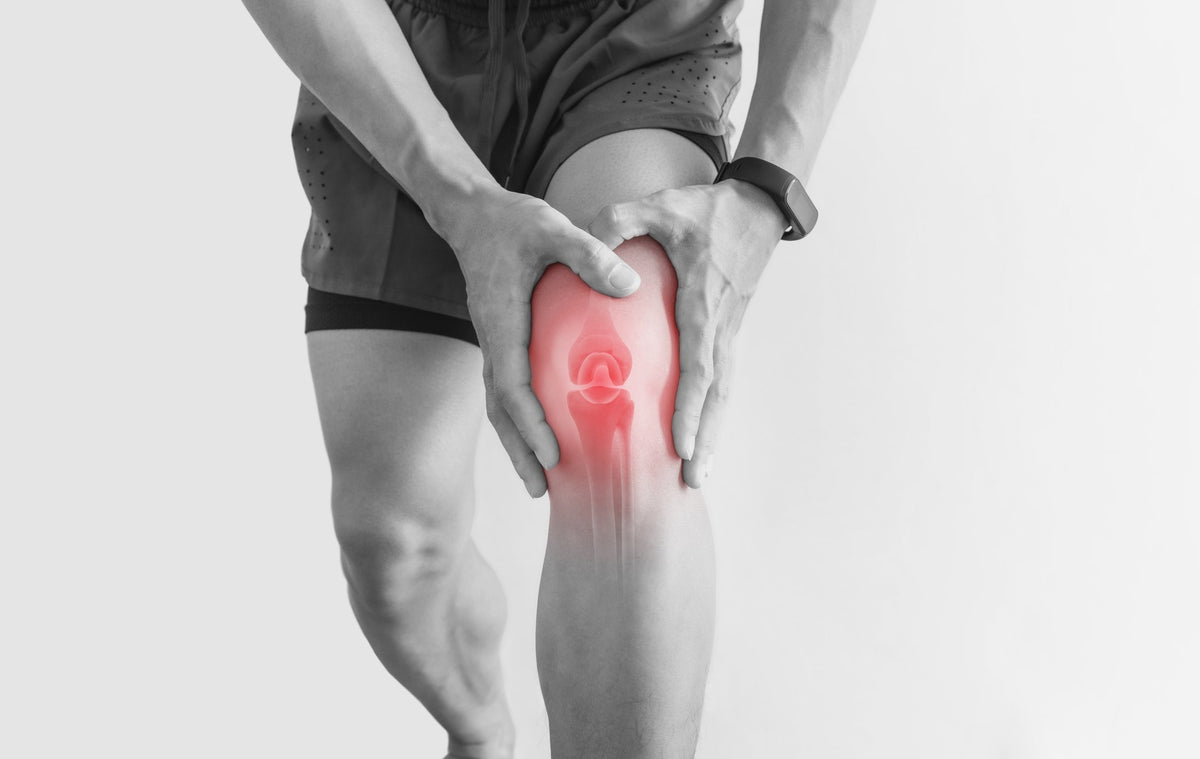
In the body, the changes may be less visible but are also important. With age, the joints and surrounding tissues undergo natural changes that may be associated with a greater feeling of stiffness, particularly after periods of inactivity or following exercise. In addition, articular cartilage contains a high proportion of type II collagen, which is essential for its structure and mechanical properties.
That is why talking about collagen loss does not only mean talking about wrinkles or skin aging. It also means paying attention to the health of our joints and cartilage, especially as we get older or maintain an active lifestyle. Taking care of these tissues is part of a broader approach to well-being: maintaining mobility and staying active throughout every stage of life.
How to prevent collagen loss: habits that accelerate its degradation
If we want to understand how to prevent collagen loss, the first step is to pay attention to everyday habits that may accelerate its degradation or affect the body’s natural processes of synthesis and renewal. Although the decline in collagen is part of aging and cannot be stopped completely, our lifestyle can influence how quickly it occurs.
These are some of the main factors to consider if we want to know how to avoid premature collagen loss:
- Sun exposure without protection. Ultraviolet radiation is one of the main external factors associated with skin aging. Excessive exposure can damage collagen and elastin fibers and promote their degradation, contributing to a gradual loss of firmness and elasticity.
- A diet high in sugar. High and prolonged sugar intake may promote a process known as glycation, in which certain sugar molecules bind to proteins such as collagen. As a result, the fibers may become stiffer and lose part of their functionality.
- Chronic stress and lack of sleep. Adequate rest is essential for the body’s repair and renewal processes. Prolonged stress and sleep disturbances may affect hormonal balance and different metabolic processes involved in tissue maintenance.
- Smoking and excessive alcohol consumption. Smoking promotes oxidative stress and is associated with faster collagen degradation, particularly in the skin. Excessive alcohol consumption, meanwhile, may affect various repair and maintenance processes in the body.
Therefore, there is no way to completely prevent the natural loss of collagen, but we can act on some of the factors that accelerate it. Protecting yourself properly from the sun, maintaining a balanced diet, sleeping well, managing stress and avoiding smoking and excessive alcohol consumption are habits that help support tissue health in the long term.
Once these factors are under control, the next step is to ask what we can do through diet, exercise and supplementation to support the maintenance and normal formation of collagen-containing tissues.
Can lost collagen be restored? Effective strategies
If you are wondering how to restore lost collagen, it is important to first understand that the collagen our body gradually loses over the years cannot simply be “replaced” or “reimplanted” into the tissues. However, we can provide the body with the nutrients it needs to maintain its natural collagen-forming processes and support the tissues in which this protein plays a fundamental role.
Diet: providing the nutrients needed to form collagen
Our body produces its own collagen from amino acids, particularly glycine and proline, which are found in various protein-rich foods. Therefore, maintaining an adequate protein intake as part of a balanced diet is important to provide the building blocks the body uses to synthesize this protein.
In addition, vitamin C plays an essential role in this process, as it contributes to normal collagen formation for the normal function of cartilage, bones and skin. It can be found naturally in foods such as citrus fruits, kiwi, strawberries, peppers and broccoli.
Supplementation: not all types of collagen are the same
Collagen is also naturally present in certain foods and preparations, such as broths made from bones and animal tissues. However, when we consume proteins, the digestive system mainly breaks them down into peptides and amino acids before they can be used by the body. For this reason, consuming foods that contain collagen does not mean that this collagen reaches the skin or joints directly.
In supplementation, there are different approaches to supporting tissue health. Hydrolyzed collagen undergoes a process that breaks the protein down into smaller peptides, making it easier to digest and absorb.
On the other hand, native type II collagen follows a different approach. It is a form of collagen that retains its three-dimensional structure and is used specifically in the context of joint health, as type II collagen is one of the main structural components of cartilage. Its mechanism and the amounts used are different from those of hydrolyzed collagen, so they should not be considered equivalent products.
Therefore, when we talk about how to restore lost collagen, rather than trying to directly replace the collagen that declines with age, the approach should be comprehensive: maintain a balanced diet with sufficient protein and vitamin C, exercise regularly, adopt healthy lifestyle habits and choose specific strategies according to the tissue we want to support, particularly when the goal is to maintain the long-term health of joints and cartilage.
Conclusion: take care of your collagen today to stay active tomorrow
Aging is a natural and inevitable process, but our habits can make a difference in how we experience it. Although collagen production gradually begins to decline from around the age of 25-30, a balanced diet, adequate protein and vitamin C intake, regular exercise, good-quality sleep and avoiding factors that accelerate its degradation are some of the keys to supporting our tissues and promoting healthy aging.
Prevention also means paying attention to our joints before the first signs of discomfort appear. If you are looking to support your mobility and maintain the structure of your skin and joints as you age, we recommend discovering NDL Pro-Health Articulations, formulated with highly bioavailable collagen and enriched with key nutrients your body needs.
Because taking care of collagen and joint health should not be something we only start doing when the first signs of aging appear. Adopting healthy habits early is an investment in our future mobility, well-being and quality of life.