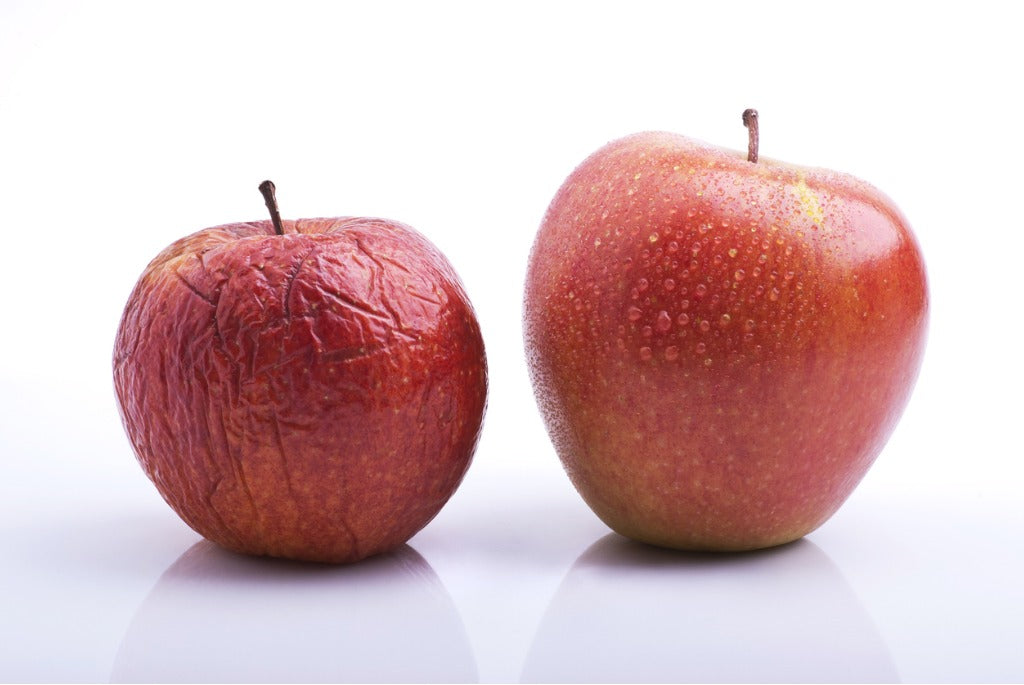
The metabolic reactions that occur in our body result in the production of oxidizing substances that the body itself is capable of counteracting through physiological mechanisms. However, in certain situations the body's antioxidant capacity may be exceeded, contributing to the appearance of health problems, deterioration and aging. In these cases it may be advisable to increase the intake of antioxidants through diet and supplements.
What types of antioxidant supplements are used?
There is a diversity of substances of natural origin that are used as supplements for their antioxidant capacity.
Among these, 7 nutrients can be found: 4 minerals (copper, manganese, selenium and zinc) and 3 vitamins (vitamin B2, vitamin C and vitamin E).
In addition to these nutrients, there are other substances that are usually included in antioxidant supplements. Some of them are:
Coenzyme Q10
Supplementation with this substance seems to improve physical performance and the sensation of fatigue in healthy non-athletes, while in athletes it reduces muscle damage.
However, more studies are needed to confirm these effects and to justify the recommendation of supplementation with this substance.
Carotenoids
Carotenoids are a type of natural pigments present in foods of plant origin. The most important ones in the diet include lycopene, lutein and β-carotene, which have antioxidant properties and act by protecting human cells from oxidative stress.
Research on their supplementation has offered contradictory results.
Catechins
Catechins are found in large quantities in green tea. These substances have antioxidant properties and their ingestion increases fat utilization and energy expenditure during exercise.
In the long term, their regular consumption would increase antioxidant potential and ameliorate muscle damage induced by intense exercise.
However, an excessive intake of this antioxidant supplement could impede physiological adaptation to physical training.
Anthocyanosides
They are polyphenols present in red fruits (blueberries, raspberries, blackberries, cherries, red grapes, etc.). They show a powerful antioxidant and anti-inflammatory effect.
Their consumption could accelerate recovery from exercise-induced muscle damage.
Spirulina
Spirulina is the extract of an algae containing tocopherols, β-carotenes, polyphenols and phytocyanins with high antioxidant activity that can decrease exercise-induced oxidative stress, which causes muscle fatigue.
The few studies carried out show some positive effects on performance and strength.
Curcumin
Curcumin is a natural colorant from turmeric (Curcuma longa L.).
In Europe it is classified as a coloring and flavoring food additive (code E-100). It is a major component of curry, giving it its characteristic yellow color.
This antioxidant supplement is used for its possible anti-inflammatory effects. It appears to reduce symptoms caused by muscle damage from exercise and may speed recovery by decreasing pro-inflammatory interleukins and some inflammatory markers of muscle damage.
Spermidine
It belongs to the group of polyamines, substances involved in multiple biological processes, mainly related to cell viability and differentiation.
Its antioxidant and anti-inflammatory properties may have positive effects on cardiac, cerebral and immune system activity.
Hesperidin
It is included in the group of flavonoids, bioactive substances with an antioxidant and anti-inflammatory profile found mainly in fruits and vegetables. Hesperidin is present in high concentrations in citrus fruits. It is able to inhibit the secretion of proinflammatory cytokines.
α-glucomannan
It is a polysaccharide that, combined with soy protein stabilized with an inorganic matrix of phosphate and calcium sulfate, has a regulating effect on inflammation, oxidative stress and modulates the immune response.
What is the recommended dosage and when should they be taken?
The maximum amounts of each of the substances included in antioxidant food supplements are determined by the daily dose recommended by the manufacturer, in accordance with the specifications established by law.
In addition, it should take into account the intake of vitamins, minerals and other antioxidant substances from other food sources.
The most appropriate time to take them is before training or intense physical exertion.
For example, NDL Pro-Health has the antioxidant supplement NDL Pro-Health Biological Age.

It is a food supplement made from i-technology (AM3®), zinc and hesperidin. AM3 is made from Glucomannan and soy proteins.
Its recommended dose is 2 capsules daily to be taken with a glass of water.
What precautions should we take into account?
Some antioxidant substances have shown paradoxical behaviors since, in certain doses or conditions, they can be prooxidants.
Thus, the maximum daily intake recommendations should be respected.
In the case of pregnant women, nursing mothers, children, the elderly and people with ailments and pathologies, supplements should only be consumed under the supervision of a health professional.
In no case should they replace the use of medicines or the following of a healthy and balanced diet.
How to assess whether I should take antioxidant supplements?
Some situations that increase oxygen consumption, such as physical exercise, lead to an increase in the production of free radicals, which can damage lipids, proteins and DNA, as well as produce alterations in tissues.
In addition, exercise causes inflammatory phenomena which in turn give rise to more free radicals.
When you start doing sports, the training or competition conditions are very demanding or you suspect that your diet cannot supply all the nutrients and substances necessary to ensure optimal health and sports performance, it may be advisable to take food supplements such as antioxidant supplements.
What types of antioxidants are most effective in protecting the skin and fighting the signs of skin aging?
One of the most relevant factors related to skin aging is exposure to solar radiation, giving rise to what is known as photoaging. Prevention is the best strategy to combat it.
Since the lesions produced by solar radiation are cumulative, it is important to establish preventive measures from childhood that include reducing the time of direct exposure to the sun and the frequent use of sunscreens with a high protection factor. This is even more important in the case of fair skin, times and days with higher ultraviolet radiation and exposure to the sun at high altitudes, among other factors.
The use of creams with depigmenting agents, antioxidants for the skin and with active ingredients such as retinol and hyaluronic acid can also be positive.
Finally, the use of oral skin antioxidants, substances that repair nuclear DNA damaged by ultraviolet radiation and substances that eliminate already damaged cells, including spermidine and pyrroloquinoline quinone, among others, may also be recommended.
What other healthy lifestyle habits can help in the fight against aging?
Aging is a progressive, dynamic, complex and irreversible process. Although some of the factors that affect health and aging are due to genetics, those that have the greatest influence have to do with the physical and social environment.
Various healthy habits can promote better health and, therefore, contribute to the fight against aging.
A healthy diet characterized by a high content of plant foods, including fruits, vegetables, legumes, vegetable fats, nuts, whole grains and seeds is at the foundation of habits that can improve our health.
In addition, the diet must be adapted to the characteristics of individuals and their specific needs.
Among the other habits that can contribute to attenuating the effects of aging are:
- Daily physical exercise, along with an active lifestyle.
- An adequate level of rest according to the needs of each individual.
- Enjoying a rich social life.
- Avoiding stress and maintaining a positive attitude.
- Limiting toxic substances (tobacco, alcohol, drugs, exposure to pollution, solar radiation, etc.).
Sources
- Organización Mundial de la Salud. Envejecimiento y salud. 01/10/2022. Consultado: 07/02/2024.
- Informe del Comité Científico de la Agencia Española de Seguridad Alimentaria y Nutrición (AESAN) en relación a la evaluación del riesgo de la ingesta inadecuada de minerales (metales) antioxidantes en complementos alimenticios. [On line]. Revista del Comité Científico de la AESAN 2022; 36: 85-111.
- Palacios N et al. Suplementos nutricionales para el deportista. Ayudas ergogénicas en el deporte. Documento de consenso de la Sociedad Española de Medicina del Deporte. 2019. [On line].
- Tchkonia T, Kirkland JL. Aging, Cell Senescence, and Chronic Disease: Emerging Therapeutic Strategies. JAMA 2018; 320(13): 1319-1320. Doi: 10.1001/jama.2018.12440.
- Longo VD, Anderson RM. Nutrition, longevity and disease: From molecular mechanisms to interventions. Cell 2022; 185(9): 1.455-1.470. Doi: 10.1016/j.cell.2022.04.002.
- Bjørklund G et al. Natural Compounds and Products from an Anti-Aging Perspective. Molecules 2022; 27(20): 7084. Doi: 10.3390/molecules27207084.
- Michalak M. Plant-Derived Antioxidants: Significance in Skin Health and the Ageing Process. Int J Mol Sci 2022; 23(2): 585. Doi: 10.3390/ijms23020585.
- Alvarez-Mon M et al. Treatment with the immunomodulator AM3 improves the health-related quality of life of patients with COPD. Chest 2005; 127(4): 1.212-1.218. Doi: 10.1378/chest.127.4.1212.
- Córdova A et al. Protection against muscle damage in competitive sports players: the effect of the immunomodulator AM3. J Sports Sci 2004; 22(9): 827-33. Doi: 10.1080/02640410410001716742.
- Larqué E, Sabater-Molina M, Zamora S. Biological significance of dietary polyamines. Nutrition 2007; 23(1): 87-95. Doi: 10.1016/j.nut.2006.09.006.
- Handa AK, Fatima T, Mattoo AK. Polyamines: Bio-Molecules with Diverse Functions in Plant and Human Health and Disease. Front Chem 2018; 6: 10. Doi: 10.3389/fchem.2018.00010.
- Hirano R, Shirasawa H, Kurihara S. Health-Promoting Effects of Dietary Polyamines. Med Sci (Basel) 2021; 9(1): 8. Doi: 10.3390/medsci9010008.
- Madeo F et al. Spermidine in health and disease. Science 2018; 359(6374): eaan2788. Doi: 10.1126/science.aan2788.
- Mas-Capdevila A et al. Effect of Hesperidin on Cardiovascular Disease Risk Factors: The Role of Intestinal Microbiota on Hesperidin Bioavailability. Nutrients 2020; 12(5): 1488. Doi: 10.3390/nu12051488.