Stress is part of modern life and, in small doses, is a natural and necessary response of the body. However, when it persists over time, it can become a disequilibrating factor that affects rest, physical performance, recovery, and hormonal balance. One of the main contributors to these effects is cortisol, also known as the stress hormone.
In recent years, ashwagandha has sparked growing interest in both the scientific community and the field of nutrition and well-being. This traditionally used root has become one of the most studied natural ingredients to help the body adapt better to stress, promoting a physiological regulation of cortisol without aggressively interfering with the body’s natural processes.
But what is ashwagandha?
Far from acting as a stimulant or sedative, ashwagandha stands out for its ability to restore balance, supporting the body’s response to physical and mental demands. For this reason, it has become a regular ally for both people with an active lifestyle and those looking to improve their rest, recovery, and daily well-being in a sustained way.
Ashwagandha: The Millennial Root of Ayurvedic Medicine
Ashwagandha, scientifically known as Withania somnifera, is a plant used for over 3,000 years in Ayurvedic medicine, the traditional health system originating in India. Within this tradition, it is considered one of the most valuable herbs due to its ability to strengthen the body and help it better adapt to the physical and mental demands of daily life.
In Ayurveda, ashwagandha is classified as an adaptogen, a category reserved for remedies aimed at promoting vitality, stress resistance, and overall body balance. Its traditional use was focused on recovering energy, promoting mental calm, and supporting longevity, especially during periods of fatigue, emotional overload, or prolonged effort.
This holistic approach – seeking balance rather than acting on a single symptom – is precisely what has piqued the interest of modern science. In recent years, numerous studies have analyzed the mechanisms of action of ashwagandha, confirming many of the benefits that Ayurvedic medicine has long attributed to this millennial root.
The Ashwagandha Plant: Morphology and Active Principles:
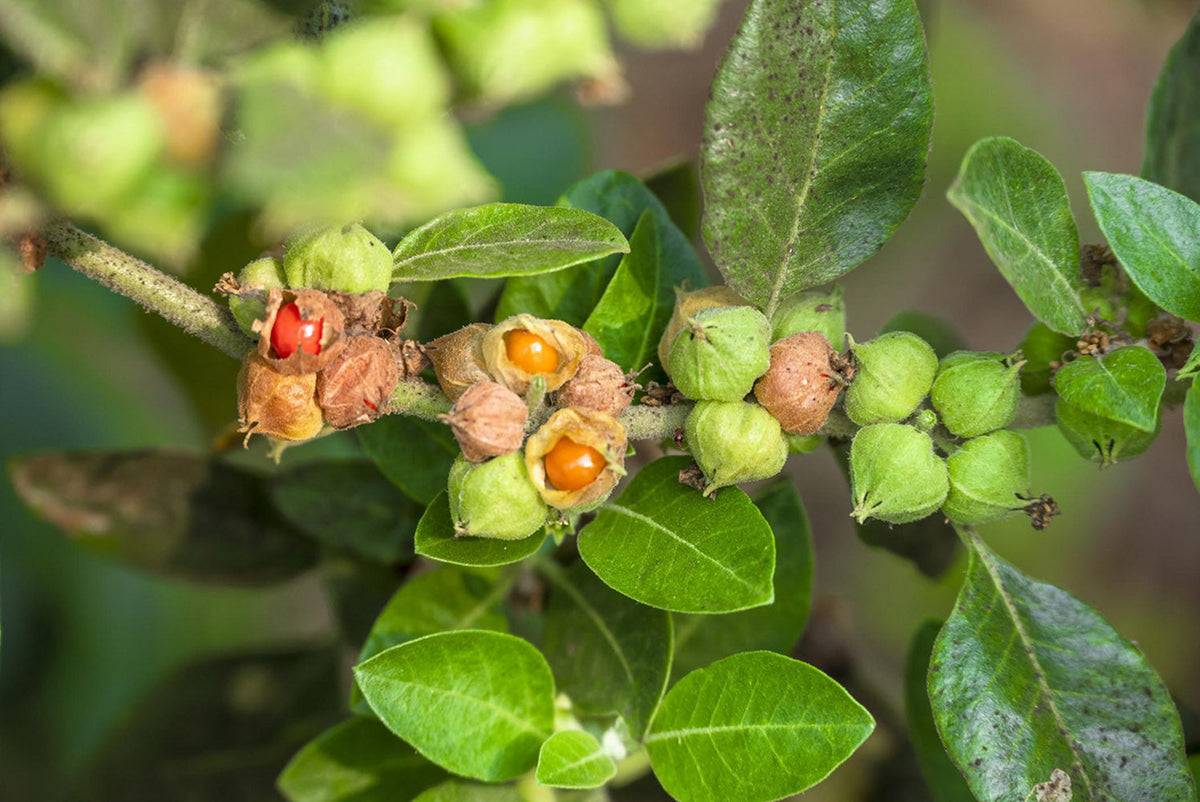
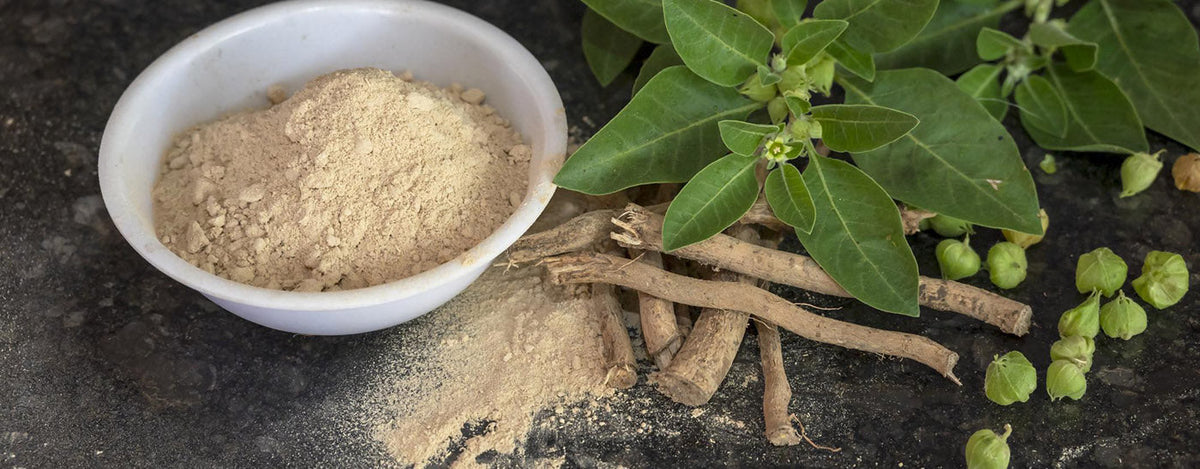
The ashwagandha plant grows in dry and warm areas, especially in India, and, as we’ve seen, has been used for centuries. It is a small plant, resembling a shrub, with several parts:
- Root: it is the most important part and the one primarily used in supplements.
- Leaves: green and soft.
- Small fruits: reddish when ripe.
Although the entire plant contains beneficial compounds, the root of ashwagandha is where the most active substances are concentrated and has been studied the most scientifically.
When we talk about the benefits of ashwagandha, we are actually referring to its withanolides, natural compounds present in the root that are responsible for ashwagandha's effectiveness. Simply put, withanolides help the body to: respond better to daily stress, maintain balanced cortisol levels, and promote physical and mental recovery.
What is it used for? Proven Benefits with Evidence
Now let’s look at what ashwagandha is used for. Nowadays, it is used in various health and wellness contexts thanks to the effects observed in recent scientific studies. Beyond its traditional use, modern research has allowed us to identify what ashwagandha is used for and in which situations it can be especially useful, always within a framework of balance and physiological support.
Below, we review the main uses of the ashwagandha plant and the benefits that have the most scientific backing:
Stress and Cortisol Control:
The main benefit of ashwagandha is its ability to balance cortisol levels, known as the stress hormone. Cortisol is necessary for the body, but when it stays elevated for long periods – due to work stress, lack of rest, intense training, or a demanding lifestyle – it can difficult the recovery, affect sleep, and generate a constant feeling of tiredness.

Ashwagandha works by helping the body to regulate the stress response, not blocking it. This means that:
- It helps the body not stay in “alert mode” all day long.
- It facilitates better recovery after physical and mental effort.
- It contributes to a greater sense of calm and balance.
For this reason, it is one of the most used ingredients when the goal is to manage daily stress better without causing sedation.

Improves Physical Performance and Strength:
In addition to its effect on stress, ashwagandha has shown interesting benefits in the field of physical performance, especially in active individuals and athletes. Studies suggest that its use may contribute to:
- Improving endurance, helping to sustain effort over longer periods.
- Increasing maximum oxygen consumption (VO₂ max.), a key indicator of aerobic capacity.
- Supporting muscular strength and power development.
These effects are partly explained by better stress and cortisol control, which allows the body to adapt better to training, recover faster, and perform more efficiently.
Supports Sleep Quality and Recovery:
Rest is one of the fundamental pillars of health and performance, and here ashwagandha also plays an important role. Thanks to its calming and regulatory effect on the nervous system, it can help to:
- Facilitate falling asleep.
- Reduce feelings of nervousness before sleep.
- Improve the quality of nighttime rest.
Unlike other products, ashwagandha does not act as a sedative, but as a regulator that helps the body relax naturally. This translates to more restorative sleep and, consequently, better physical and mental recovery the next day.

How to Choose the Best Ashwagandha?
At this point, it’s inevitable to ask the following question: What is the best ashwagandha?
The reality is that not all ashwagandhas on the market offer the same results. Although many products use the same base ingredient, quality, concentration, and the type of extract make a clear difference in their effectiveness.
Knowing what to look for is key to choosing the best ashwagandha that actually works.
This guide will help you identify the most important criteria before buying:
The Importance of Withanolide Concentration:
The most relevant factor when evaluating an ashwagandha supplement is its content of withanolides, the active compounds responsible for its benefits. The potency of ashwagandha is measured by the percentage of withanolides, and a quality extract should provide at least 5% withanolides.
Products that do not indicate this data may contain very low or variable amounts, which reduces their effectiveness. Therefore, a well-formulated ashwagandha should clearly specify the percentage of withanolides on the label, ensuring a consistent and effective dose.
Patented Extracts: What’s the Difference?:
Within the market, there are patented extracts of ashwagandha that stand out for having standardized extraction processes and proprietary clinical studies. The most well-known are:
- KSM-66®: obtained exclusively from the root of ashwagandha. It is especially studied in relation to physical performance, strength, and stress management in active people.
- Sensoril®: uses a combination of root and leaves. It is more commonly associated with stress management and support for rest.
Both extracts have scientific backing, but they are not interchangeable. The choice will depend on the primary goal: performance and physical activity or stress management and rest.
In conclusion, ashwagandha is much more than a trend: it is a root with a long tradition and growing scientific backing. Its value lies in helping the body restore balance in contexts of physical and mental stress, supporting cortisol regulation, performance, and rest in a natural and sustained way.
Integrated into a healthy routine, ashwagandha can become an effective ally for those looking to take care of their well-being, improve recovery, and face daily life with greater stability and energy.