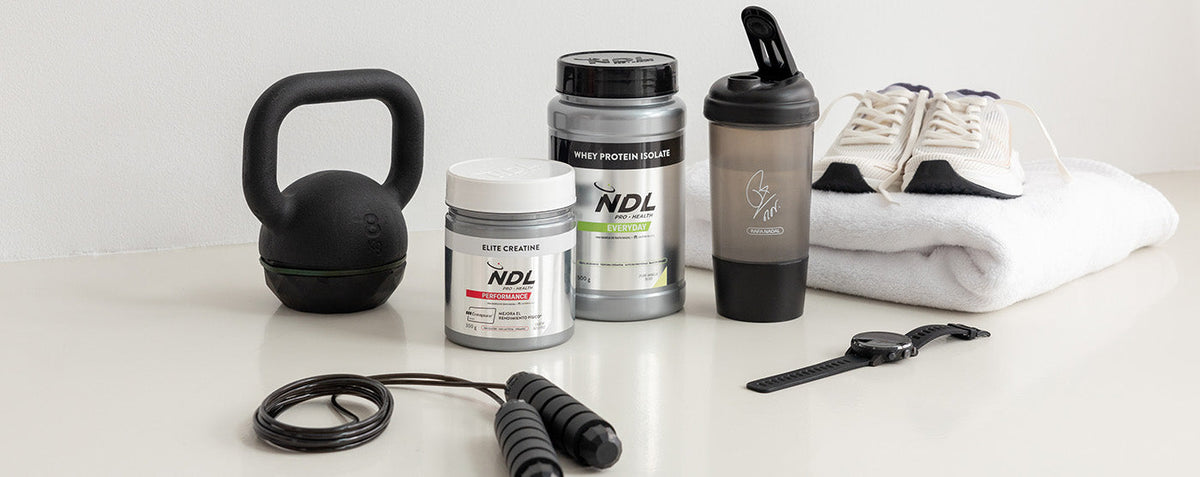
When it comes to optimizing physical performance, two supplements stand out for their popularity and effectiveness: protein and creatine. Both are essential for improving training performance, but each plays a different role in the body. Protein focuses on muscle recovery and growth, while creatine enhances strength and power during high-intensity training.
However, instead of debating which is better, creatine or protein, why not take advantage of the best of both? In this article, we’ll explore their key differences and show you how to combine them effectively to achieve total performance in your training routine.
Difference Between Creatine and Protein: What Does Each One Do?
To understand the difference between creatine and protein, we first need to define their individual roles:
What Is Protein?
Protein is one of the three essential macronutrients for the human body, along with carbohydrates and fats. It is made up of chains of amino acids, which are the building blocks of all the tissues in our body. Proteins have multiple vital functions and are essential for muscle growth and repair, the production of enzymes and hormones, and the support of the immune system.
In sports nutrition, proteins are especially known for their role in muscle recovery after intense training sessions. During exercise, muscles experience small tears, and protein helps repair and rebuild them, which in turn supports their growth and strengthening.
Types of Protein
There are different types of protein, each with specific characteristics and benefits depending on individual needs:
- Whey protein: One of the most popular choices among athletes due to its fast digestion and high content of essential amino acids. It is considered the best option to consume after training.
- Casein protein: Digests more slowly than whey, making it an excellent option before bed, as it provides a gradual release of amino acids throughout the night.
- Plant-based proteins: Such as pea, rice, or soy protein, ideal for those following a vegan or vegetarian diet. They provide all essential amino acids, although sometimes with lower bioavailability than animal-based proteins.
- Egg protein: With excellent biological value, it is ideal for those looking for a supplement that provides all essential amino acids.
Main Benefits of Protein
- Muscle recovery: After intense training, protein consumption accelerates muscle repair and growth.
- Building and maintaining tissues: Beyond muscles, protein is essential for maintaining tissues such as skin, hair, and nails.
- Immune function: Proteins also play a key role in the production of antibodies, which are essential for fighting infections and diseases.
- Weight management: Protein contributes to a greater feeling of fullness, helping regulate appetite and body weight.
In summary, protein is an essential nutrient not only for physical performance and muscle recovery, but also for overall health. Including it properly in your diet is key to achieving your wellness and performance goals.

What Is Creatine?
Creatine is a natural substance found mainly in muscles and the brain. It is made up of three amino acids: arginine, glycine, and methionine. Although creatine is naturally produced by the body, it can also be obtained through foods such as red meat and fish, or through supplements.
The main role of creatine in the body is the production of rapid energy, specifically for high-intensity, short-duration activities such as weightlifting, sprinting, or any exercise requiring explosiveness. It is stored in the muscles as phosphocreatine, which is used to regenerate ATP (adenosine triphosphate), the primary energy source of cells. This allows muscles to continue working more efficiently during physical effort.
Main Benefits of Creatine
- Increased strength and muscle power: Creatine is known for its ability to improve performance in activities requiring short but intense efforts. This includes weightlifting, jumping, or sprinting, where muscles need quick energy.
- Improved recovery: After intense exercise, creatine helps muscle recovery by reducing muscle damage and inflammation. This allows for more frequent training sessions with less post-workout soreness.
- Increase in muscle mass: Creatine supplementation can increase water retention within muscle cells, which may lead to greater muscle volume. Additionally, improved performance capacity allows for more intense workouts, supporting long-term muscle growth.
- Brain and cognitive benefits: Although creatine is best known for its impact on physical performance, studies have also shown positive effects on brain function, especially during cognitively demanding tasks.
Is Creatine Safe?
Yes, creatine is generally safe for most people when taken in recommended doses. However, it is always important to consult a healthcare professional if you have pre-existing conditions, such as kidney problems, since creatine is excreted through the kidneys.

Comparison: Protein vs Creatine
Both protein and creatine are essential supplements, but they perform different functions in the body, complementing each other to optimize your physical performance.
- Protein: Made up of amino acids, it is crucial for muscle recovery and muscle growth. It also helps maintain tissues such as skin and hair, and supports appetite control. In summary, protein is vital for muscle recovery and overall health maintenance.
- Creatine: Stored mainly in the muscles, creatine provides rapid energy for high-intensity activities. It improves strength, muscle power, and promotes faster recovery. It may also increase muscle volume and provide cognitive benefits.
In summary, protein is key for recovery and muscle growth, while creatine focuses on increasing strength and power. Combined, they help improve performance and accelerate recovery, providing a complete approach to your training routine.
Why Take Protein with Creatine?
Although they are effective on their own, the combination of creatine and protein offers synergistic effects that improve both training performance and post-workout recovery.
Below, we explain why taking protein and creatine together is an excellent idea.
1. Improved Performance and Recovery
- Creatine for better performance: Creatine increases muscle power and provides rapid energy during short, intense workouts. This allows you to perform more repetitions, lift heavier weights, or run faster, ultimately improving your training results.
- Protein for recovery: While creatine helps you perform better, protein plays a crucial role in muscle recovery. After a tough workout, muscles experience microtears that need repair. Protein helps repair and rebuild those muscles, supporting growth and preparing you for your next training session.
By combining creatine and protein, you benefit from both: enhanced performance during exercise and optimized recovery afterward.
2. Increased Muscle Mass
Creatine not only improves performance but also increases muscle volume by drawing water into muscle cells. This “cell volumization” effect helps expand the muscles, creating an ideal environment for muscle growth. On the other hand, protein directly contributes to the growth and maintenance of muscle mass.
By taking creatine to enhance performance and protein to repair and build muscle, you create the perfect conditions for faster and more effective muscle gains.
3. More Intense and Frequent Training
The combination of creatine and protein allows you to train more frequently and intensely. Creatine improves your ability to perform harder workouts, while protein accelerates recovery between sessions. This means you can train harder and recover faster, which in the long term leads to faster progress.
4. Synergy Between Energy and Muscle Building
Creatine and protein complement each other perfectly. Creatine improves performance, while protein helps translate that performance into real muscle growth. In fact, when you combine these two supplements, you experience a continuous cycle of enhanced performance and optimized recovery, leading to better results over time.
5. Beyond Physical Performance
Both supplements not only affect physical performance but also offer benefits for your overall wellbeing. Creatine has also been linked to cognitive improvements, and protein is crucial for the health of other tissues and the immune system. Together, they can support an active and healthy lifestyle from multiple angles.
In summary, protein and creatine are not mutually exclusive. When combined, they work together to maximize performance, accelerate recovery, and support muscle growth. If you’re looking to optimize your workouts and achieve better results, integrating both supplements into your routine is an excellent strategy.
How to Properly Combine Protein and Creatine
By combining protein and creatine correctly, you can maximize the benefits of both supplements and significantly improve your training results. Here’s how to do it effectively.
1. Recommended Dosages for Each Supplement
- Protein:
- The optimal amount of protein depends on your individual needs and goals. In general, it is recommended to consume between 1.6 and 2.2 grams of protein per kilogram of body weight per day.
- If you are an athlete or follow an intense training regimen, you may require more protein to support muscle repair and growth.
- Spread your protein intake throughout the day, including one serving after training and others during main meals.
- Creatine:
- The standard dose is 3–5 grams per day. To optimize absorption, many people prefer a loading phase, taking 20 grams per day (split into 4 doses of 5 grams) for 5–7 days, followed by a maintenance phase of 3–5 grams per day.
- If you prefer to skip the loading phase, you can simply take 3–5 grams daily from the beginning, although results may take slightly longer to appear.
2. Best Time to Take Them
- Protein:
- The ideal time to consume protein is after training to take advantage of the recovery window. At this time, the body needs nutrients to repair and rebuild muscles.
- You can also take protein between meals, especially if you are not reaching your recommended daily intake, or as part of breakfast to maintain steady amino acid levels throughout the day.
- Creatine:
- Creatine can be taken at any time of day, but it is often recommended after training, when the body is more receptive to nutrients following physical effort. You can also combine it with your protein shake, since creatine absorption improves when taken alongside carbohydrates, which may already be included in your shake.
- Even on rest days, you can continue taking creatine to maintain elevated levels in your muscles.
3. How to Combine Them in a Single Shake?
One of the most convenient ways to consume both supplements is by mixing them into a shake. Here are some tips:
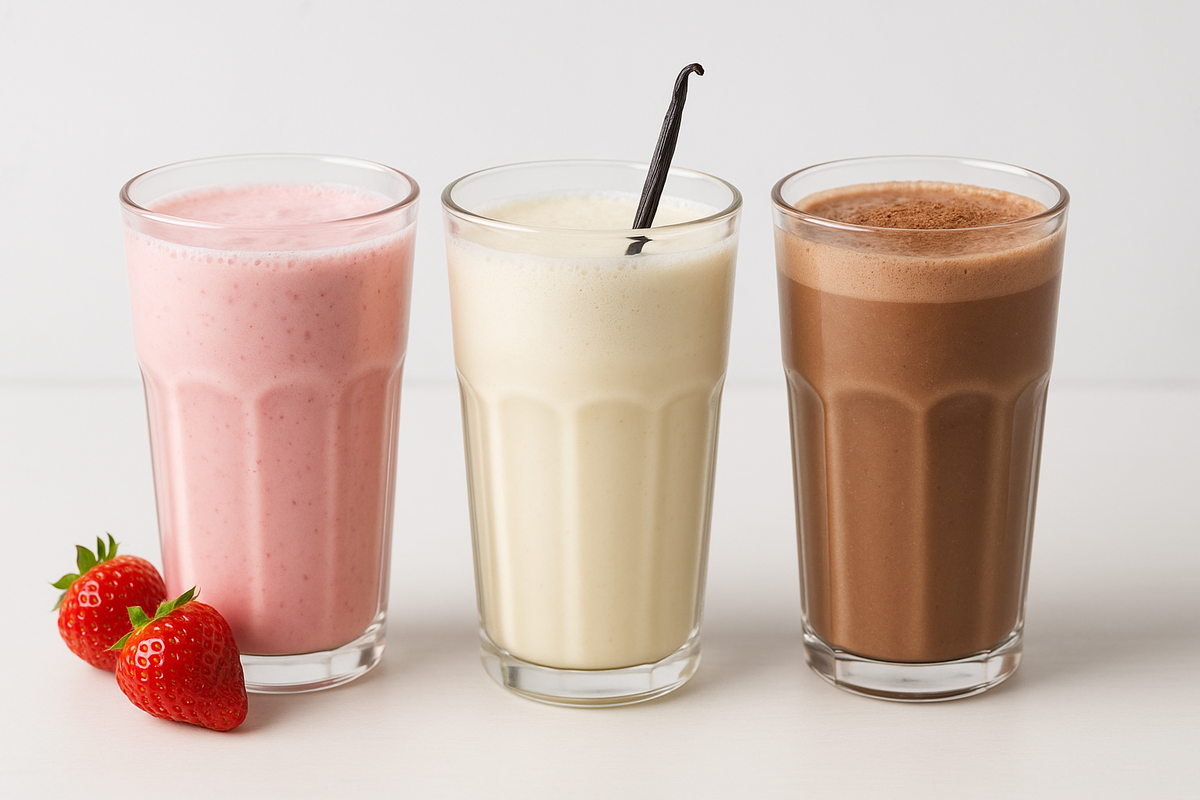
- Mix creatine and protein in a single post-workout shake: Creatine and protein work perfectly together in your recovery shake. Protein helps repair muscles, while creatine supports recovery and prepares your muscles for your next workout.
- Add carbohydrates: If possible, include a carbohydrate source such as banana, oats, or honey. This can improve creatine absorption, since carbohydrates stimulate insulin release, helping creatine enter muscle cells more efficiently.
4. Take Them Together or Separately?
Although you can take protein and creatine together, some people prefer taking them at different times of the day. For example, you may take protein immediately after training, while taking creatine at another time of day, even on rest days. However, there is no strict protocol requiring them to be taken separately. The key is ensuring consistent intake of both.
5. Stay Properly Hydrated
When taking creatine, it is essential to stay well hydrated. Creatine can increase water retention within muscles, so it is important to drink enough water throughout the day to avoid dehydration and maximize its benefits.
In summary, combining protein and creatine can be a highly effective strategy for optimizing training performance and accelerating muscle recovery. Make sure to consume them in the right amounts, at the right times, and with proper hydration to achieve the best possible results.