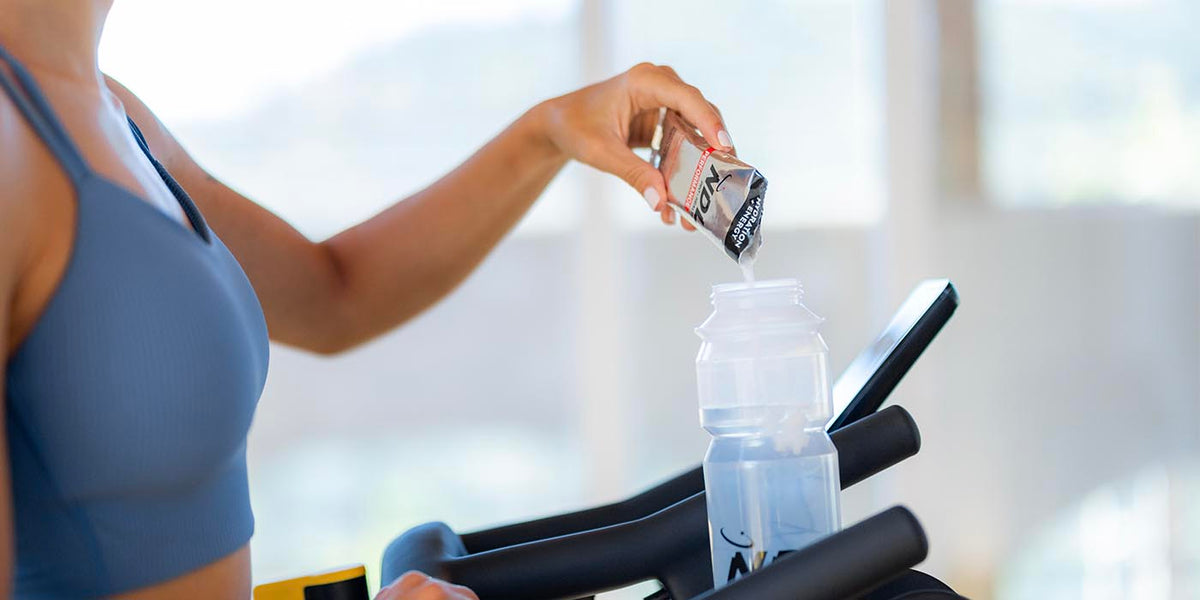
Isotonic drinks

1 product

Sold Out
PERFORMANCE
$632.08
Carbohydrate and electrolyte supplements
(36)

Physical PerformanceCarbohydrate SourceElectrolytes + Mineral Salts

Isotonic Drinks

La aparición de fatiga es un síntoma común durante la realización de la actividad física, normalmente debido a una incorrecta hidratación, desembocando en una caída del rendimiento y en cansancio. Para evitar esto, es clave el consumo de bebidas isotónicas NDL que favorecen la absorción de electrolitos y sales minerales durante el deporte.

How to Choose Your Sports Hydration Drinks?

When choosing an isotonic drink that suits your needs, it is important to consider several factors to make sure you choose the right option.

First, check the ingredients to make sure they contain a balanced combination of water, carbohydrates and electrolytes, such as sodium, potassium and magnesium.

These components help replenish fluids lost during physical activity and maintain the body's electrolyte balance. Also, pay attention to the sugar and calorie content, especially if you are looking for an isotonic drink to control your calorie intake. Also consider the taste and digestive tolerance, as some people may prefer mild flavours or options without added sugars.

Benefits of Isotonic Powders for Athletes

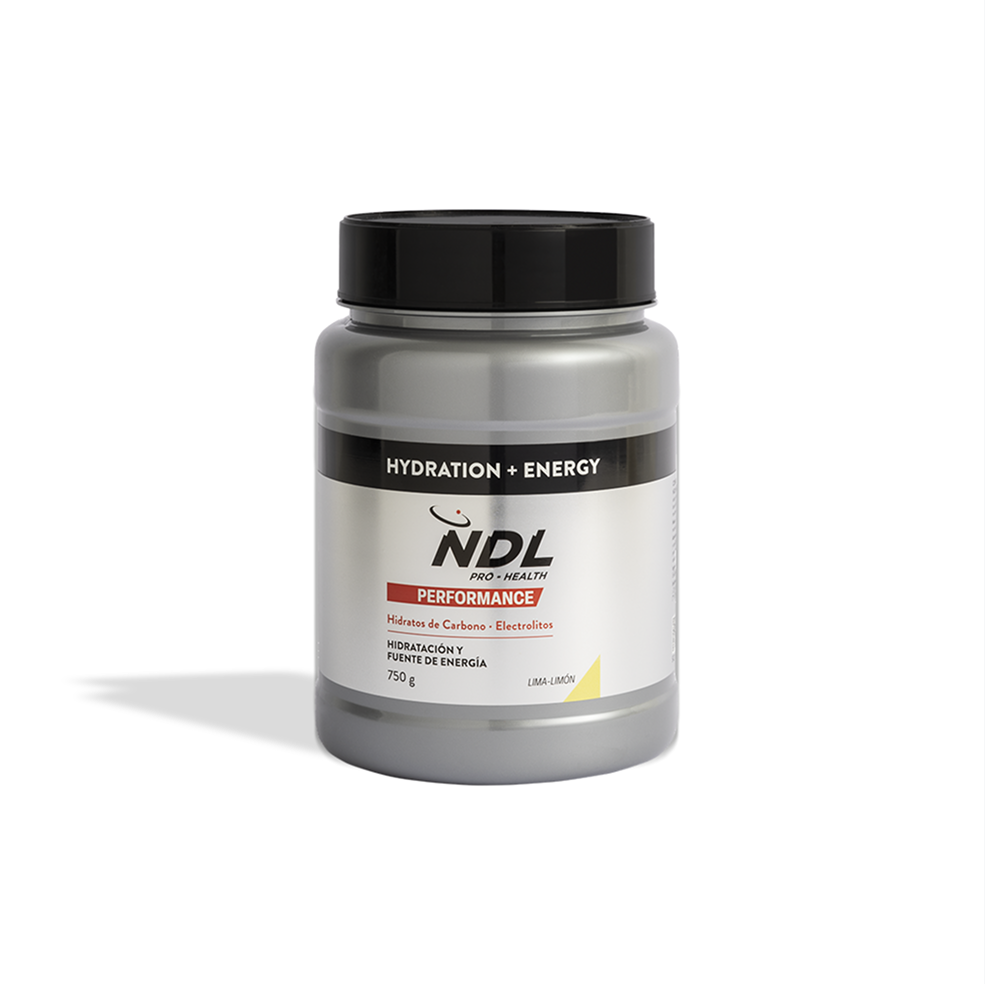
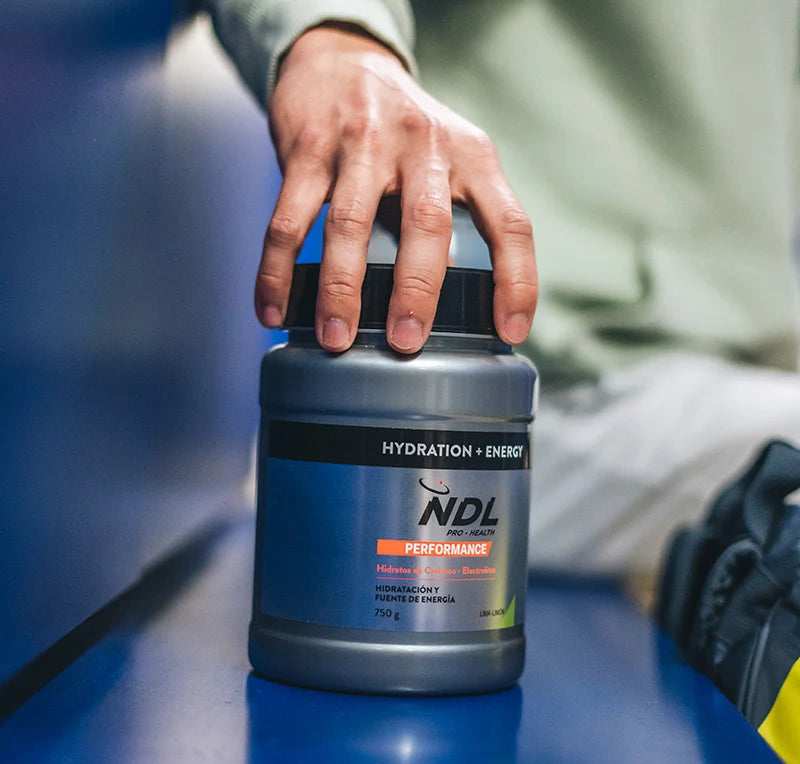
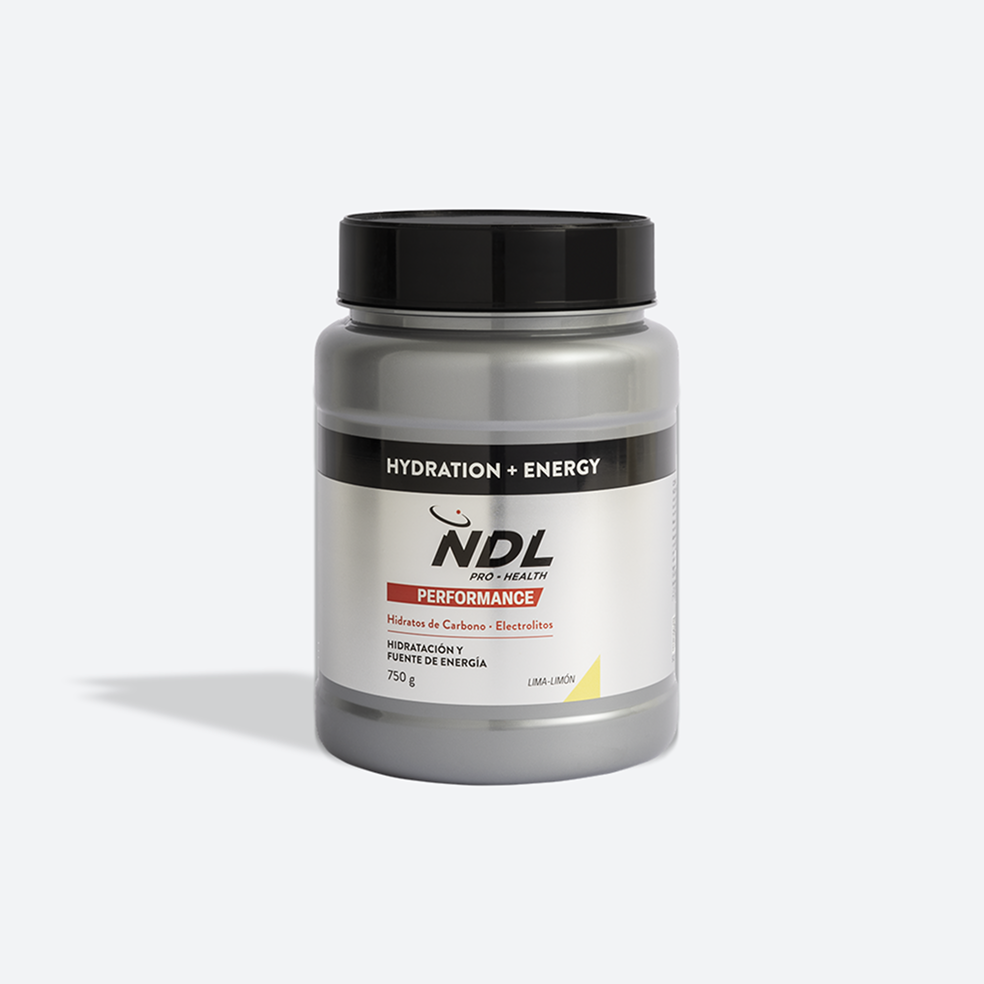
The NDL Pro-Health Hydration+Energy isotonic drink powder provides the following benefits:

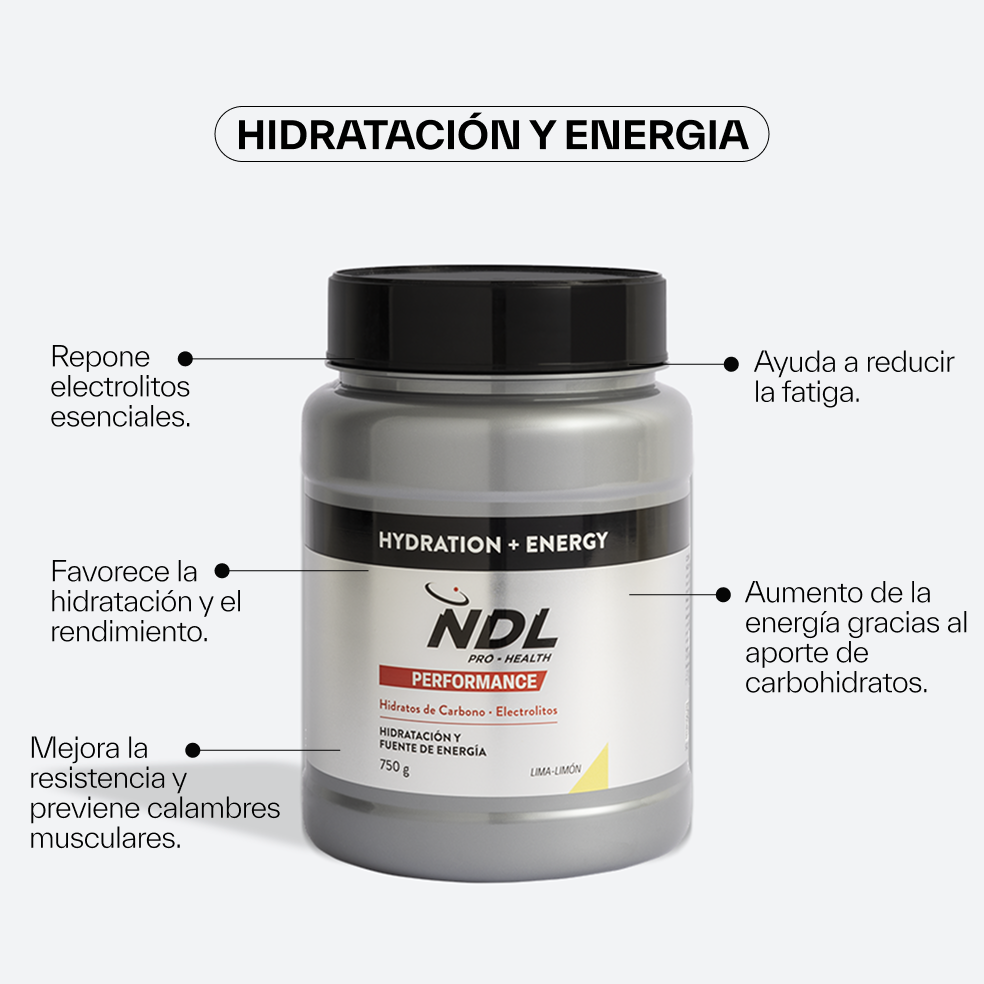
  • Effective rehydration: Isotonic drinks contain a balanced combination of water and electrolytes, such as sodium, potassium and magnesium, which help replenish fluids lost through sweat during exercise.
  • Maintaining electrolyte balance: During physical activity, the body can lose important electrolytes, which can lead to imbalances in sodium, potassium and other mineral levels. Isotonic drinks help restore these levels, which is essential for optimal body function.
  • Quick energy: Many isotonic drinks contain simple carbohydrates, such as glucose, which are rapidly absorbed into the bloodstream and provide an immediate source of energy during exercise.
  • Fatigue prevention: By replenishing lost fluids and electrolytes, isotonic drinks can help prevent dehydration and muscle fatigue during prolonged exercise, which may improve performance and endurance.
  • Improved sports performance: By keeping the body well hydrated and providing a rapid source of energy, isotonic drinks can improve sports performance and recovery capacity after exercise.
  • Recovery support: After intense exercise, it is important to replenish lost fluids and electrolytes to support muscle recovery and reduce the risk of cramps and injuries. Isotonic drinks can be a convenient and effective option for doing so.

When to Take Your Isotonic Drink?

Before exercise

It is recommended to drink approximately 200–300 ml of isotonic drink about 30 minutes before starting exercise. This helps pre-hydrate you and prepare your body for physical activity.

During exercise

During exercise, it is important to take regular sips of the isotonic drink to maintain adequate hydration and replenish electrolytes lost through sweat. The amount you should drink will depend on the duration and intensity of the exercise, as well as the weather conditions.

Frequency of consumption

To maintain an adequate balance of fluids and electrolytes, it is recommended to take small sips of the isotonic drink every 15–20 minutes during exercise. This helps prevent dehydration and maintain optimal physical performance.

Do not overconsume

Although it is important to stay hydrated, it is important not to overconsume isotonic drinks, as they may contain additional calories and sugars. Drinking too much can lead to excessive calorie intake and digestive problems during exercise.

After exercise

After completing exercise, it is recommended to continue hydrating and replenishing lost electrolytes. You can choose to continue drinking the isotonic drink or alternate it with water and other hydrating drinks. It is also important to consume nutrient-rich foods to support muscle recovery.

Listen to your body

Everyone is different, so it is important to listen to your body and adjust your isotonic drink intake according to your individual needs. If you feel thirsty, fatigued or experience muscle cramps during exercise, you may need to increase your intake of fluids and electrolytes.

Frequently asked questions

What is the difference between an isotonic and a hypotonic drink?

The main difference lies in their concentration of dissolved particles. Hypotonic drinks have a lower concentration than body fluids and promote rapid hydration, while isotonic drinks provide water, electrolytes, and carbohydrates at a concentration similar to that of the body, helping to replenish fluids and energy during prolonged exercise.

When is it better to take an isotonic drink rather than hydration tablets?

Hydration tablets are a good option when the main goal is to replenish fluids and electrolytes with minimal calorie intake. In contrast, an isotonic drink is more suitable during prolonged or high-intensity exercise, as it also provides carbohydrates to help maintain physical performance.

Does the isotonic drink help delay the onset of fatigue?

Yes, when it contains the appropriate amounts of carbohydrates and electrolytes, an isotonic drink can help during prolonged exercise. Carbohydrate-electrolyte solutions contribute to the maintenance of performance during prolonged endurance exercise and improve water absorption during physical activity, as part of an appropriate hydration strategy.

How should NDL’s isotonic drink be prepared correctly?

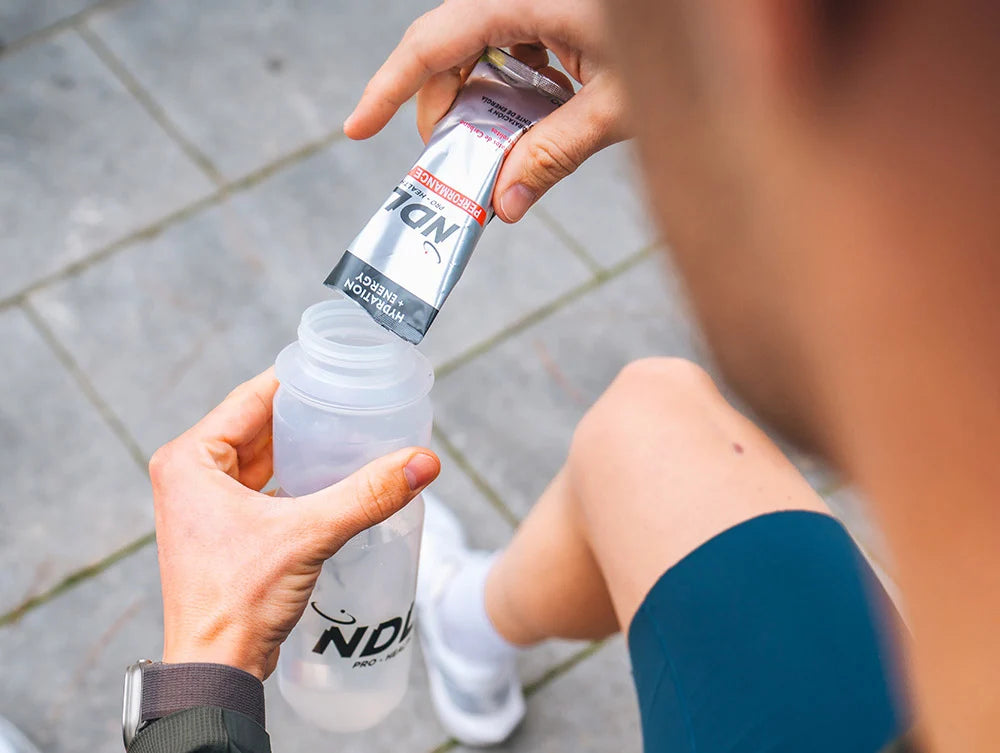
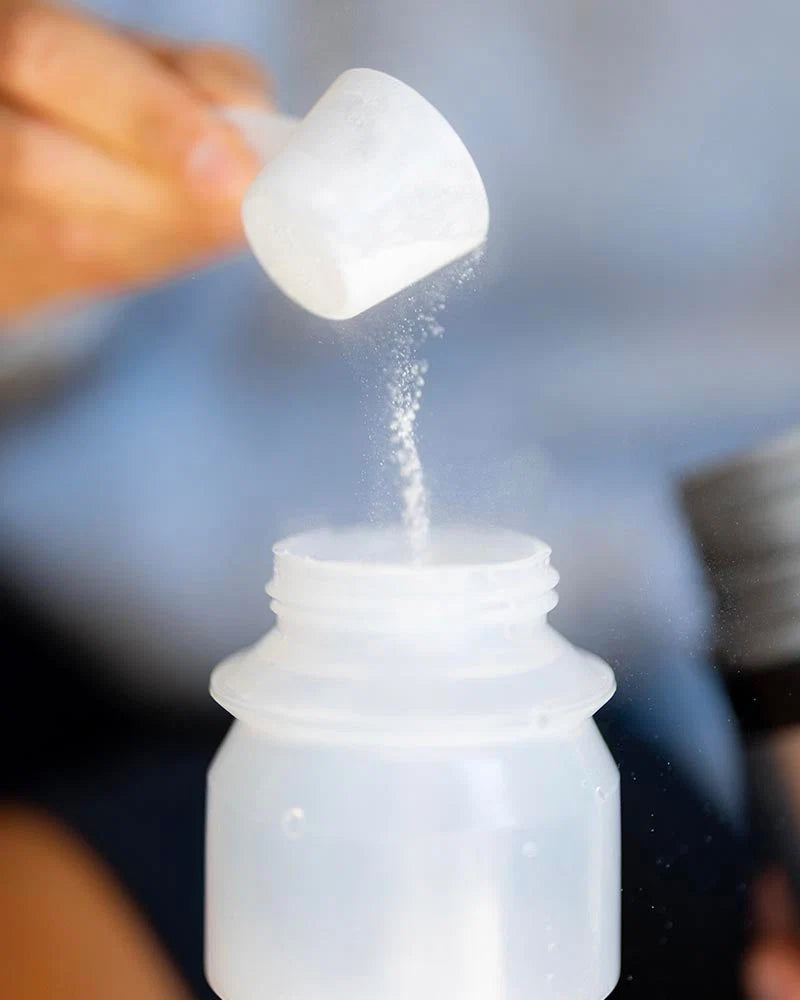
NDL’s isotonic drink should be prepared according to the dosage indicated on the packaging, dissolving the recommended amount of powder in the corresponding volume of water. It is recommended to shake until completely dissolved and consume it before, during or after exercise, especially during prolonged training sessions or in high temperatures.