Holidays are for switching off, but that doesn't have to mean excess or losing control. In this new episode of The Nutritional Tip of the Month by Gemma Bes and NDL Pro-Health, we tackle a key topic for summer wellbeing: how to take care of your body and mind even when you're away from home and your usual habits.
Gemma Bes, integrative nutritionist and one of the most renowned specialists in Spain, shares her keys to enjoying the summer without giving up feeling good.
1. Eating in hotels and restaurants
Smart breakfast: if you're at a buffet, prioritise fresh fruit and a source of protein (eggs, hummus, small oily fish, goat or sheep cheese, turkey, nut or seed butter, or add whey protein isolate to some of your dishes). Choose quality carbs like sourdough bread, no-added-sugar granola, cooked oats, or pancakes made with buckwheat or other high-quality flours without sugar. Ideally combine this with fibre such as arugula, lamb’s lettuce, tomatoes, raw veggies, sprouts, or seasonal fresh fruit. And don’t forget olive oil, if available. Avoid too much pastry and industrial fruit juices.
Meals out: if you're eating at a restaurant or on full board, try to balance your intake:
- Opt for only one heavier meal per day (for example, a light dinner if lunch was substantial).
- Always ask for salad or vegetables as a side dish.
- Moderate fried foods, sauces, and desserts. Sometimes a piece of fruit or a fruit ice lolly is enough.
2. Beach sandwiches without punishing your body: Choose whole grain sourdough bread whenever possible.
Combine protein + vegetables: tuna, anchovies, sardine pâté or egg with tomato, hummus with arugula, turkey and cucumber, avocado… always dressed with olive oil and unrefined sea salt.
Bring chopped fruit, nuts, or coconut chips as snacks. You can also take hummus with veggie sticks: carrot, cherry tomatoes, cucumber, bell pepper, and zucchini.
And don’t forget water! Heat causes more dehydration than you think.
3. Avoid sugar crashes and dehydration: Sugary drinks and beach cocktails are tempting, but best enjoyed in moderation.
Go for water with lemon, iced herbal teas or natural coconut water. Personally, I love a drink made with ginger concentrate, lemon juice, sparkling water and a few mint leaves.
Or you can prepare your own homemade isotonic drink: 500ml water, grape juice, 2 tablespoons of isotonic sea water and the juice of one lemon.
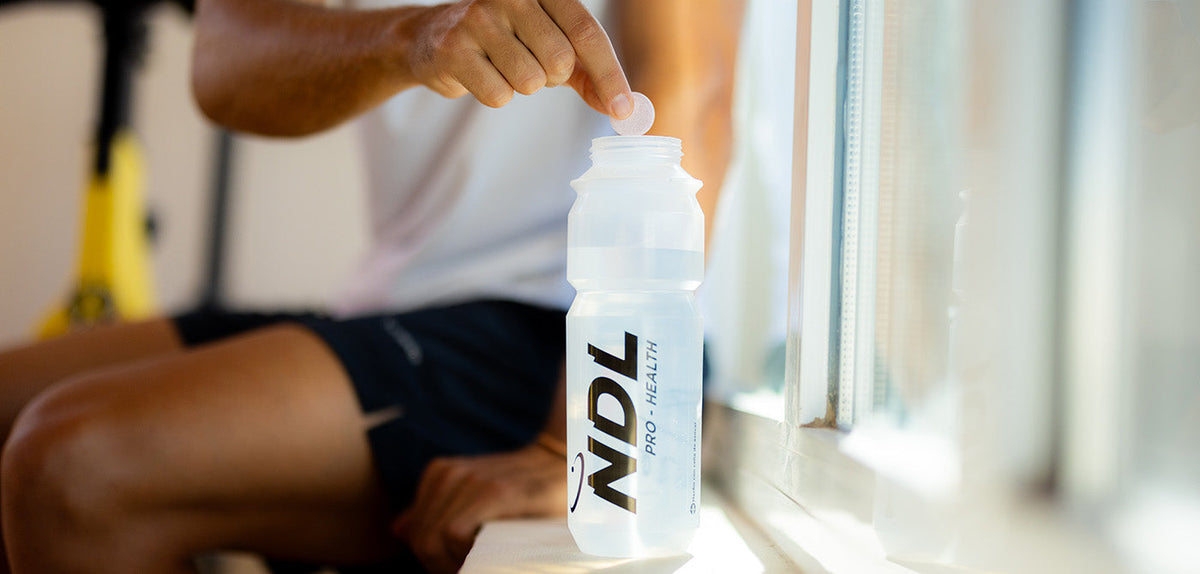
If you need fast hydration, you can always take Fast Hydration from NDL Pro-Health – effervescent electrolyte tablets available in orange and lemon flavours (lemon being the brand’s latest launch).

4. Stay active (even without formal exercise): Walk. A lot. Explore on foot whenever you can.
If you're at the beach: swim, walk along the shore, play with the kids, stretch under the umbrella. Bring a jump rope or resistance band. Just 10–15 minutes a day can make a difference.
Does your hotel have a gym or spa? Make use of it – even if only for 20 minutes.
Take a supplement to help prevent soreness or cramps caused by lack of regular exercise. Magnesium Complex by NDL Pro-Health is a complete supplement that combines three forms of magnesium: bisglycinate, malate, and citrate, for optimal absorption and effectiveness. It supports normal nervous system function, energy metabolism, and proper muscle function.

5. Take care of your mind and digestion too: Breathe deeply. Sleeping well, lowering stress, and laughing are powerful allies for your digestive health.
Don’t eat in a rush. Enjoy the moment. If you feel bloated, include digestive herbs: mint, chamomile, anise, fennel.
Gemma Bes’s final tip:
“Holidays don't mean excess or rigid rules. They’re an opportunity to listen to yourself differently, adapt your habits to your surroundings, and return with a lighter body and a happier mind.”